The festive season can fill a dining room and empty a kitchen’s patience in the same week. Group bookings grow, dietary requests multiply and regular trade continues around them. A menu that feels manageable in October can become a very different animal when three functions arrive within half an hour.
Strong festive service is planned backwards from capacity. Restaurants and hotels need enough choice for guests, but not so much that every table creates its own production schedule. The best offer feels generous out front and deliberately simple behind the pass.
Sell the Service the Kitchen Can Deliver
Count seats, ovens, refrigeration, fryer loads, pass length and the people actually rostered. Capacity is not the largest number of bookings the system will accept. It is the number of guests the team can serve safely and well within the promised window.
Map peak dates and protect arrival times. Staggering groups by fifteen minutes can matter more than adding another menu choice. If a private function shares the same kitchen as à la carte trade, decide exactly which equipment and labour each service receives.
Work Back From the First Plate
Write a production timeline from service to delivery. Identify what can be cooked, chilled and regenerated; what must be finished close to the pass; and what cannot be held. Build buffer time for loading, resting, carving and the inevitable late guest.
Large-format roasting, braising and portioned desserts can create useful stability. Blast chilling and controlled regeneration may help when the equipment and food-safety system support it. “We did it last year” is not a process unless this year’s team can follow it.

Collect Dietary Information Before the Day
Set a deadline for organisers to provide allergies and dietary requirements, then confirm what the venue can safely offer. Use clear booking language and keep final lists connected to seating plans. A last-minute verbal message at the pass is not an allergen system.
Design alternatives that use the same service rhythm as the main menu. A dietary plate requiring an entirely separate cook time and garnish creates risk when twenty mains are moving. Make it distinct, properly labelled and worthy of the same care as every other plate.
Brief the Whole Team on the Promise
Floor staff need to know course timing, drink packages, dietary signals and what changes are possible. Kitchen staff need accurate guest counts, arrival updates and a clear call before firing. One short pre-service briefing can prevent a surprisingly long list of avoidable problems.
Decide who speaks with the organiser when timings change. Functions often drift through speeches, photographs and late arrivals. A calm point of contact protects both the guest experience and the kitchen’s sequence.
Use Equipment to Create Breathing Room
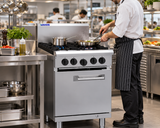
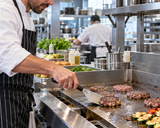
Reliable combi ovens, hot holding, refrigeration and dishwashing capacity can shape what is realistic. Consider the entire cycle, including where dirty plates go when the second course is being plated.
Cost labour, breakages, inclusions and overtime alongside food. Deposits, cancellation terms and confirmed numbers protect the business, while clear packages help guests understand value. Review every large event while it is fresh; next season’s strongest plan begins with this season’s honest notes.
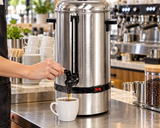
Do not overlook the quiet logistics around the meal. Glassware, ice, coffee, rubbish, linen and dishwashing all peak with the food, and a shortage in any one area can slow the room. Walk through the event from the guest’s arrival to the final plate leaving wash-up. That full view often reveals a cheaper solution than adding another cook—an extra glass rack, a clearer landing table or a better-timed coffee call can change the whole service.
Most importantly, decide what a successful event looks like before the bookings open: realistic course times, a clear spend and guests who leave feeling looked after.
The takeaway
Festive trade becomes manageable when the venue sells to its real capacity, limits choices intelligently and plans production backwards. Collect dietary details early, keep the floor and kitchen in one conversation and test the full service cycle. Celebration out front depends on discipline behind the scenes.