Singapore chilli crab is messy in the best possible way. The sauce is glossy, sweet, savoury and gently hot; the crab demands both hands; and the steamed buns disappear almost before the first shell is cracked. For restaurants, it can turn dinner into an occasion rather than simply another seafood order.
The same qualities make it operationally demanding. Live or raw crab needs careful sourcing and handling, the sauce must be balanced rather than sugary, and the table needs to be ready for shells, sauce and a guest who may be wearing half of both. A successful version is designed through the kitchen and the dining room together.
Keep the Character of the Dish
Chilli crab is associated with Singapore’s hawker and seafood dining culture. Its identity comes from the combination of crab, a tomato-and-chilli-based sauce, aromatics and a softly set egg finish in many versions. The exact recipe varies, but it should land as rounded and savoury, not as bottled sweet chilli sauce with extra steps.
If the menu adapts the dish, say so honestly. Australian mud crab is a natural fit, and local chilli or a house sambal can give the sauce personality. The important thing is to preserve the generous, sauce-led experience rather than reducing it to a neat piece of crab with a decorative smear.
Choose and Prepare Crab for the Service You Run
Work with an approved seafood supplier and follow local rules and the venue’s food-safety plan for live or raw shellfish. Specify size, origin and expected yield. Bigger is not automatically better: very large crabs can be harder to portion consistently and may create a price point that narrows the audience.
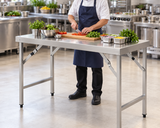
Clean and section the crab using a documented process, crack the claws enough to help the guest and retain parts needed to build flavour. Keep raw preparation separate from garnishes and cooked food. If pre-portioning, label by weight so each order receives a fair share of body and claw meat.
Balance the Sauce Before Service Starts
Build the base with garlic, ginger, chilli and tomato, then add savoury depth and acidity. The sauce needs enough body to cling to the shell while remaining loose enough for buns to scoop. Taste it with the actual crab rather than by itself; shellfish liquor changes salt and sweetness.
Prepare the base in batches and finish each order in the wok. Add egg carefully so it forms soft ribbons instead of scrambled clumps. Spring onion or coriander should freshen the finish, not cover the crab.
Use High Heat Without Turning Service Into a Fire Show
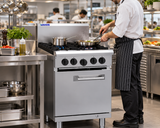
A responsive burner helps the cook move quickly from frying aromatics to simmering the sauce and finishing the crab. High heat is useful, but control matters more than flames for the camera. Use a wok or pan large enough to toss without losing sauce across the range.

Establish a pickup sequence: aromatics, sauce base, crab, covered cooking if required, final seasoning, egg and herbs. Write the expected time for each crab size. This helps the floor pace the table and stops a long seafood order colliding unexpectedly with the rest of the mains.
Plan for Fingers, Shells and Sauce
Provide crab crackers or picks, a shell bowl, finger bowl, generous napkins and a server who can explain the easiest way in. Protect pale tablecloths or choose a more relaxed surface for the promotion. Good hospitality removes embarrassment before the guest has to ask.
Steamed or fried mantou-style buns make sense because they catch the sauce and soften the heat. Rice can broaden the meal, while a crisp cucumber or herb salad adds relief. Keep side dishes simple; the crab is already doing plenty of talking.
Make the Price and Format Easy to Understand
Price by a clearly stated portion or market weight and train staff to explain it confidently. For groups, a set menu with crab, buns, a vegetable dish and drinks can make the cost feel easier to navigate. Cost shell waste, sauce, accompaniments and the labour of preparation and cleaning.
Reliable cooking power and an uncluttered pass matter. ICE Group can help operators assess commercial cooking equipment, preparation benches and refrigeration around the volume and style of seafood service. Trial the complete experience with staff before launch—bibs optional, extra napkins compulsory.
The takeaway
Singapore chilli crab succeeds when the venue embraces both flavour and theatre. Source carefully, portion fairly, build a sauce with savoury balance and give guests the tools to enjoy it without fuss. The result can become a signature shared dish—memorable, generous and just messy enough to feel like a proper night out.