Cacciucco and bouillabaisse come from different stretches of the Mediterranean, but they share a kitchen truth Australian operators understand immediately: good seafood does not have to mean a neat fillet in the centre of a white plate. A pot of deeply flavoured broth, carefully timed fish and shellfish, and grilled bread can feel generous, regional and unmistakably special.
For chefs, the attraction is flexibility. The dish can follow the market and make intelligent use of suitable species. The danger is treating that flexibility as a free-for-all. A memorable seafood stew needs a stable broth, a clear cooking sequence and purchasing rules that keep both quality and food cost under control.
Two Traditions, One Useful Idea
Tuscan cacciucco is typically robust, tomato-led and associated with a mixture of fish and shellfish served with bread. Provençal bouillabaisse is known for an aromatic fish broth shaped by herbs, saffron and the character of the catch, often served with bread and rouille. Regional rules and family versions vary, which is exactly why operators should avoid claiming rigid authenticity when they are adapting the idea.
Use the names accurately, acknowledge the inspiration and write the menu description around what is actually in the bowl. “Market seafood stew with tomato, saffron and grilled sourdough” can be more useful to a guest than a romantic label the floor team then has to decode.
Build the Broth Before the Orders Arrive
The broth carries the dish. Roast or sweat the aromatic base properly, cook out tomato, deglaze, add an appropriate fish stock and reduce until the flavour is concentrated but not muddy. Fennel, citrus peel, herbs, chilli and saffron can shape the direction; they should not all shout at once.
Strain if the service style calls for a clean broth, or retain a rustic texture deliberately. Either way, chill and store the base safely in measured batches. A consistent litre of broth gives the kitchen a stable reference even when the seafood mix changes from day to day.
Choose Seafood by Function, Not by Prestige
Firm fish pieces bring substance. Mussels and clams contribute liquor and visual generosity. Prawns add sweetness, while squid needs either very quick or properly long cooking to avoid the rubbery middle. The ideal mix depends on availability, price and how confidently the kitchen can time each component.
Write substitution rules before the market changes. Specify acceptable species, portion weights and cooking behaviour. This gives purchasing freedom without leaving the cook to build a different dish every service. Buy through approved suppliers and maintain strict chilled storage and traceability.
Cook in the Order the Seafood Needs
Start each order with the measured hot broth. Add firm fish or components requiring longer cooking first, then shellfish and delicate pieces in stages. Covering the pan briefly can help shells open, but remove any that do not open as required by the venue’s food-safety procedure. Avoid hard boiling, which breaks fish and toughens prawns.

Use a wide pan with enough surface area for the seafood to sit in the broth rather than pile on itself. Finish with herbs, oil and grilled bread at the pass. The bowl should arrive hot, aromatic and manageable to eat.
Plan the Station Around Heat and Recovery
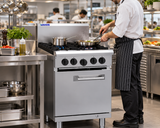
Responsive burners, wide pans and reliable commercial refrigeration make the workflow far easier. If the broth is produced in larger batches, a suitable commercial oven can roast frames and aromatics consistently before the stock stage.
Run the dish through a full pickup with the floor team. They should know the day’s seafood, whether shells are involved and how the dish is intended to be shared. The best bowl loses its charm if it sits under the pass while someone searches for a shell bowl.
The takeaway
A Mediterranean-style seafood stew can give Australian venues seasonality, theatre and smarter use of the catch. Keep the broth consistent, choose every seafood item for a reason and teach the order of cooking. That framework leaves room for the market to change without letting the dish lose its identity.