The internet is full of “irresistible dishes”. A commercial menu needs a tougher test. Can the kitchen prep it without opening twelve new containers? Will it hold its texture through the lunch rush? Can the description sell it without a paragraph? Most importantly, does the finished plate earn its place after labour and waste are counted?
The three ideas below are deliberately flexible: herb-roasted chicken with pan jus, charred seasonal vegetables with whipped feta, and a warm grain salad built around roast produce. They can stand alone, share components and move between café, restaurant, hotel and function service.
Judge Ideas by Service, Not Inspiration
Before adding a dish, map its busiest pickup. Count pans, garnishes, appliances and hands. Note what can be prepared earlier and what deteriorates quickly. A dish that needs two last-minute sauces, a fryer garnish and the only oven shelf may not be flexible at all.
Look for components with more than one honest use. Roast vegetables can support a share plate and grain salad; chicken trim can strengthen a sauce; herbs can finish several dishes. Cross-use works when the flavours belong together, not when yesterday’s excess is disguised.
Herb-Roasted Chicken With Pan Jus
Use a defined chicken cut and portion so cooking remains consistent. Brine or season according to the kitchen’s tested method, then roast with garlic, lemon and hardy herbs. A probe-based endpoint and a short rest protect moisture better than adding minutes “to be safe” every time.
Build the jus from roasted bones or trim where the operation allows, then portion it. Serve with a seasonal vegetable and one dependable starch. The plate feels generous without requiring height, and the same method can scale into function catering when tray loading and regeneration are tested.
Charred Vegetables With Whipped Feta
Choose vegetables that respond well to strong colour: pumpkin, zucchini, capsicum, brassicas, eggplant or onions according to season. Cook each to its own point rather than putting everything on one tray and accepting that half will be soft before the rest is ready.
Whipped feta brings salt, acidity and body; herbs, toasted seeds and a restrained dressing add freshness and crunch. The dish can be a share plate or vegetarian main. For a plant-based version, change the creamy element deliberately rather than merely removing it and leaving the plate unfinished.

Warm Grain Salad With Roast Produce
Farro, freekeh, barley, quinoa or brown rice can give a menu substance without relying on a large protein portion. Cook the grain consistently, cool or hold it safely, then finish with roast produce, herbs, something pickled and a dressing sharp enough to wake the bowl up.
Offer an optional protein that the kitchen already handles well. Chicken, salmon or grilled halloumi can extend the same base without creating three separate dishes. Test the takeaway version after twenty minutes; grains continue absorbing dressing and can become heavy if the recipe is too wet.
Use specials to test the ideas before committing permanent menu space. Measure not only units sold but preparation time, substitutions, returned plates and what remains at close. A modest seller with almost no waste and an easy pickup may contribute more than a headline dish that disrupts the line.
Let the Kitchen Decide the Final Shape
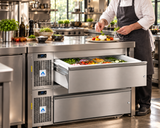
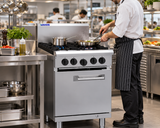
An even commercial oven, usable refrigeration and a well-planned pass make these dishes easier to repeat. If the oven already carries pastry and roasts at the same time, adjust the menu or production windows before adding another tray-dependent item.
Run a service simulation, cost every finished plate and ask the floor team to describe each option. The best flexible dish is one guests understand, cooks can reproduce and owners can measure. Inspiration starts the conversation; operations decide whether it stays.
Keep the language grounded. Guests respond to recognisable ingredients and a clear cooking method more readily than a pile of fashionable terms. Let the floor team taste each dish and explain the point of difference in their own words; natural confidence is more persuasive than a memorised script.
The takeaway
Useful menu ideas share prep, protect texture and leave room for seasonality without creating confusion. Start with a clear pickup, give every plate contrast and cost the real yield. These three dishes work because the kitchen can adapt them while keeping the underlying service method steady.