A food trend can bring attention to a menu, but it can also introduce single-use ingredients, inconsistent prep and a dish that disappears as quickly as it arrived. The difference is not creativity. It is the discipline used to test the idea before committing valuable menu space.
For restaurants, hotels and cafés, trend testing should work like a small operational experiment. Define the customer problem, build the simplest viable dish, run it through real service and measure whether the idea earns its complexity.
Start with venue fit, not online popularity
The first question is whether the idea belongs in your venue. A visually dramatic dessert may suit a high-energy casual restaurant but feel forced in a fast breakfast café. A fermented chilli glaze might be easy for a grill-led kitchen yet awkward for a venue with limited hot production.
Write one sentence explaining the benefit to your guest. If the answer is only “people are posting it”, the idea is not ready. Stronger reasons include better value, a missing dietary choice, a new sharing occasion, a seasonal ingredient or a flavour guests already request.
Build the smallest useful prototype
A trend does not need a full menu launch. Test one dish, one drink or one component. Keep the format familiar and isolate the new idea so you can understand what guests are responding to.
Use ingredients already present where possible. A new sauce on a proven seller creates a cleaner test than a dish requiring five new suppliers and an unfamiliar cooking method. Set a trial window long enough to include different shifts and trading patterns.

Use a commercial scorecard
| Measure | Question | Warning sign |
|---|---|---|
| Demand | Are guests ordering and reordering it? | Interest without repeat sales |
| Margin | Does the price cover ingredient and labour reality? | Premium ingredients with weak pricing power |
| Speed | Can every shift hit the pickup target? | Special handling at the busiest time |
| Waste | Do new ingredients have another use? | Single-use stock expiring |
Test the dish under real service pressure
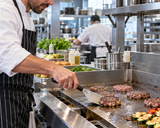
A development-kitchen success is only the beginning. Run the dish on the actual station, with the normal team and the normal queue. Observe where hands cross, what must be fetched, whether the garnish stays attractive and how the last portion compares with the first.
Brief front-of-house with a short description, likely questions and the intended guest. Their feedback often reveals whether the name, value or spice level is creating friction before sales data explains why.
Decide: keep, adapt or remove
Set the decision rule before the test ends. A dish can be kept, adapted or removed. Adaptation might mean changing the price, simplifying the garnish, moving the idea to another daypart or turning a main into a snack. Do not keep a weak item merely because the team invested time in developing it.
If the trend succeeds, document supplier, yield, recipe, portion, storage, presentation and service language. That is the point where a temporary special becomes a repeatable menu item.
Collect feedback the kitchen can use
General compliments are encouraging but difficult to act on. Ask focused questions: Was the flavour what the menu description promised? Did the portion feel right for the price? Would the guest order it again? Front-of-house can capture patterns without turning service into a survey.
Compare comments with behaviour. Plate waste, modifications, repeat orders and attachment sales may tell a different story from social engagement. Photograph the approved presentation and review several plates from different shifts to identify where execution is drifting.
Include the team in the decision. Cooks can explain which step causes delay, servers know which words need clarification and purchasing can reveal whether supply is reliable. A successful test creates shared confidence, not just a recipe approved by one person.
Avoid buying equipment for one trend
New equipment should unlock several menu and production opportunities. Before purchasing, test whether existing flexible equipment can prove demand. When capacity becomes the constraint, choose a solution that supports the wider menu and likely future direction.
ICE Group can help assess commercial ovens, combi steam ovens and broader kitchen workflow against real service requirements.
Once the item is retained, schedule a review after the novelty period. Recheck its sales, margin, waste and station impact when it is no longer being actively promoted. This second review distinguishes a genuine menu performer from a launch spike and gives the kitchen a sensible point to refine portioning or remove unnecessary steps.
The takeaway
Treat every food trend as a testable business idea. Begin with venue fit, isolate the new element, measure demand and operational impact, then document what works. A trend deserves permanence only when guests reorder it and the kitchen can deliver it confidently.