Café customers change quickly because the occasion changes quickly. One guest wants a fast takeaway coffee, another wants a substantial breakfast, and another expects a polished alcohol-free drink and something new enough to share. Adapting does not mean rebuilding the menu every season.
The cafés that respond well protect a recognisable core while testing small, useful changes around it. They treat speed, display, packaging and staff communication as part of menu development—not problems to solve after launch.
Read the signals that matter
Social media can reveal what attracts attention, but point-of-sale data shows what guests actually buy. Look at daypart, weather, modifications, add-ons, repeat orders and items that regularly sell out or return as waste.
Listen for recurring requests rather than isolated opinions. Demand for a lighter breakfast, a more substantial vegetarian lunch or a less-sweet cold drink points to a usable need. A request for one highly specific viral item may not.
Protect the products customers already trust
Core items create familiarity and production rhythm. Coffee, a dependable breakfast, a strong sandwich and a recognisable pastry offer often do more for loyalty than constant novelty. Keep those anchors visible while using specials, seasonal drinks or one rotating cabinet item to test new demand.
When a new item succeeds, decide whether it replaces something or genuinely expands the offer. Permanent additions without removals gradually increase stock, prep and decision fatigue.
Five adaptable café opportunities
Rotate produce and sauces around a stable service format.
Build portable sandwiches and rolls that retain texture.
Offer adult flavour and presentation without alcohol.
Two further opportunities are globally influenced comfort food—familiar formats with distinctive sauces or fillings—and cabinet products with a clear house identity. The key is to choose ideas that share ingredients and production with the rest of the menu.

Design new items for the morning rush
1. Count the touches. Every reach, toast, garnish and separate container adds time. 2. Define the handoff. Make ownership clear between kitchen, coffee and counter. 3. Test takeaway. The dish must survive its packaging and expected travel time. 4. Protect the queue. A premium item cannot block faster orders at peak demand. 5. Photograph the standard. Give every shift one approved visual reference.
Where possible, prepare components in batches and finish to order. This keeps service fast while preserving the cues customers value: crisp bread, fresh garnish, hot food and clean presentation.
Use a simple café test cycle
Run one idea for a defined period and promote it consistently enough to create a fair test. Record sales by daypart, attachment to drinks, ingredient waste and average pickup time. Ask staff what customers needed explained and which step caused delay.
At the end, keep, adapt or remove it. Adaptation may mean a smaller size, different daypart, simpler garnish or a move from plated to takeaway. Document successful items before adding them permanently.
Make value visible without racing to the lowest price
Café value is not only portion size. Speed, freshness, portability, consistency and the ability to customise clearly all influence whether a guest feels the price is fair. Make the benefit obvious in the name, display and presentation.
Tiered choices can help: a reliable core item, useful add-ons and one premium option. Bundles should simplify the decision and support margin rather than hide discounting. For takeaway, packaging is part of the product; a sandwich that arrives crisp and a drink that travels cleanly protect perceived value.
Review pricing with real yield and labour, especially for house-made components. If the item requires several single-use ingredients or excessive assembly, it may need a simpler format before a higher price will solve the problem.
Let equipment and layout support adaptation
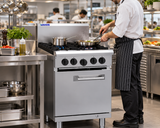
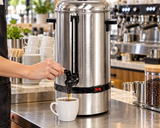
Cafés need equipment that serves multiple dayparts without crowding the line. Ovens, sandwich presses, refrigeration, display and beverage equipment should be selected around peak flow, not only individual specifications. Storage location and bench space can influence speed as much as raw capacity.
ICE Group can help operators plan commercial ovens and broader café equipment around menu, volume and available space.
Schedule a follow-up review after the launch attention fades. An adaptable café menu is built from items that continue to perform once they become part of the normal routine, not only during the first week of promotion.
The takeaway
Cafés adapt best when they keep a trusted core and test change around real customer needs. Use sales and service evidence, share ingredients, protect the morning rush and remove ideas that do not earn their complexity. The result is a menu that feels current without becoming unstable.