Building a Dessert Menu That Actually Sells
- May 05, 2024
- 0 Comments
Dessert is the last thing a guest eats, but it is often the last part of the menu to receive serious planning. A list of crowd favourites gets assembled, the garnish grows during tasting, and then the kitchen discovers that every plate needs six containers and the only working freezer drawer.
A better dessert menu begins with the way people finish a meal. Some want warmth and comfort, some want fruit and freshness, and plenty want something to share. The commercial opportunity is real, but only when the offer is easy for the floor team to sell and realistic for the kitchen to serve.
Offer Contrast, Not a Catalogue
Three or four well-chosen desserts usually do more work than a sprawling list. Include a warm, familiar option; something fresh or citrus-led; a chocolate choice; and, where demand supports it, a clearly considered dairy-free or plant-based plate. Each should feel different in flavour, temperature and texture.
Avoid five versions of sweet, brown and creamy. Guests compare options quickly, and contrast makes the decision easier. A sticky pudding beside a lemon tart and a seasonal fruit dessert gives the floor team a useful conversation rather than three descriptions that all end with vanilla ice cream.
Design Backwards From the Pickup
Map the final ninety seconds first. Which component must be hot, what comes from refrigeration, what needs piping and where does the plate wait? A beautiful tasting-room idea can become a poor service dish if two sections need the same oven, blender or pair of hands at once.
Batch what improves with rest, portion before service and leave fragile work until the last sensible moment. Sauces, crumbs, poached fruit and baked bases can often be prepared ahead. Fresh herbs, quenelles and crisp wafers cannot be abandoned under the pass lights without showing it.
Temperature Is Part of the Flavour
Refrigerator-cold cake tastes muted, melting ice cream floods a plate and a warm pudding served in a cold bowl loses its appeal almost immediately. Set holding and serving temperatures for the complete plate, then test how it eats after the real walk from kitchen to table.
Texture needs the same attention. Soft mousse wants a crisp element; rich caramel benefits from acidity or salt; warm pastry needs a cold component that arrives intact. Contrast should help the guest finish the dish, not simply give the menu description another adjective.

Give Staff a Story They Can Use
Desserts sell when staff can describe them naturally. “It is made in-house, served warm and comes with cultured cream” is more useful than a paragraph of pastry language. Let the team taste every new dish and explain who it suits: light, rich, nostalgic, sharable or properly indulgent.
Watch the timing of the offer. A rushed question while clearing mains sounds like an exit prompt. Mention a signature dessert earlier, keep menus available and make coffee or dessert wine pairings simple. The best sales technique is confidence, not pressure.
Cost Every Spoonful and Crumb
Flour and sugar can make desserts look inexpensive, but cream, chocolate, nuts, alcohol, fruit and labour change the picture. Cost the finished plate, including the garnish that gets applied by instinct. Fix portion tools and record the usable yield from every tray or batch.
Cross-use can help when it feels intentional: the same roasted fruit might support breakfast and dessert, or a crumble may finish two plates. Do not force it. A component that appears everywhere stops feeling special and often creates more containers, labels and forgotten leftovers than it saves.
Let the Equipment Remove Friction
Even heat, dependable refrigeration and enough bench space matter more than a cupboard full of novelty tools. A suitable commercial oven supports repeatable baking and regeneration, while organised cold storage protects prepared portions and delicate finishes.
Run a ten-dessert drill before launch. Time the pickups, check where plates and frozen items live, and see whether the person assigned to desserts can manage the station while other orders keep moving. A menu is ready when service feels calm, not when the tasting plate earns applause.
Before changing the menu again, spend one service watching what happens after the mains are cleared. Note which tables ask for time, which choose coffee instead and which share. That pattern can guide portion size and the number of rich versus fresh options more accurately than another round of internal tasting. Desserts live at the end of a guest’s appetite, so a dish must be tempting even when the table is already satisfied.
The takeaway
A profitable dessert menu is small enough to execute, varied enough to tempt and clear enough for staff to sell. Work backwards from the pickup, control temperature and portion, and keep every component there for a reason. Guests remember the finale; the kitchen should not dread it.

Recent Posts
-
-

-
How to Choose Commercial Stainless Steel Benches and Sinks
October 09, 2026
-
-
-
-
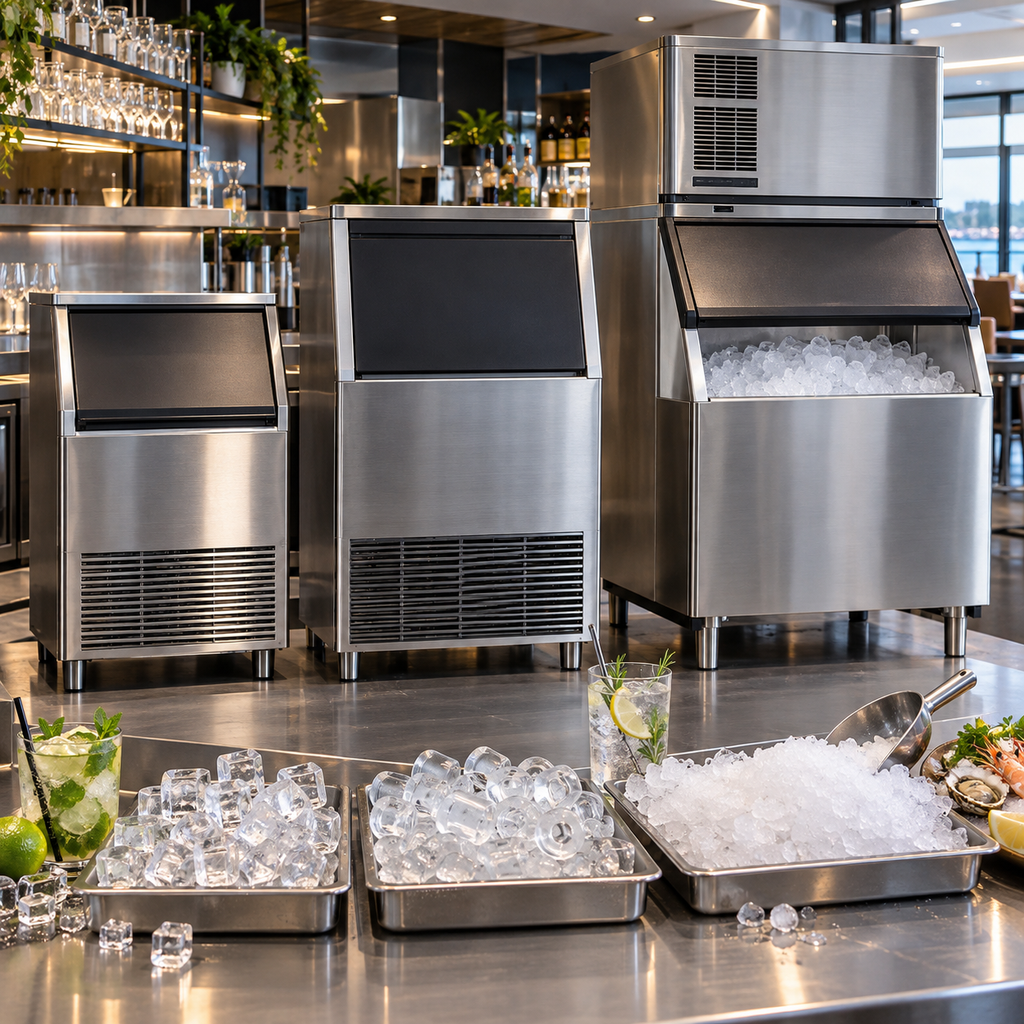
Hoshizaki vs Bromic vs Brema: Comparing Commercial Ice Machines
October 05, 2026
-