2026 Hospitality Trends: What Our Commercial Kitchen Builds Are Teaching Us
- Mar 07, 2026
- 0 Comments
If 2025 was about recovery and recalibration, 2026 is shaping up as the year hospitality gets sharper, leaner and more intentional. Across the latest hospitality outlooks, a few themes are coming through again and again: operators are embracing smarter technology, diners are making more deliberate choices, and venues are under pressure to deliver stronger experiences without blowing out labour, energy or fitout costs. Industry reports from Mews, Lightspeed and EHL all point to the same broad shift: hospitality is moving toward AI-enabled service, value-conscious dining, sustainability with a business case, and more immersive, experience-led venues.
One of the biggest changes is the move toward frictionless guest journeys. In accommodation, Mews says AI is beginning to reshape discovery, booking and service into one more conversational flow, where guests expect faster answers, easier personalisation and less admin-heavy interaction. Even for food-led venues, that same expectation is flowing downstream. Diners and guests want convenience, speed and relevance, but they still want the venue to feel human. That tension, between automation and authenticity, is becoming one of the defining design and operating challenges of 2026.

At the same time, restaurant and café trends are becoming more intentional. Lightspeed’s 2026 trend outlook describes this as the year of “intentional dining,” with customers thinking harder about health, sustainability and overall value. That does not mean guests only want cheap meals. It means they want meals that feel worth it. They want better ingredients, flexible menu options, lower-waste formats, and choices that align with changing habits, including the continued growth of low- and no-alcohol beverages. EHL’s 2026 outlook also points to sustainable food and immersive experiences as major themes, which makes sense: people are still going out for connection and atmosphere, but they are choosing more carefully where they spend.
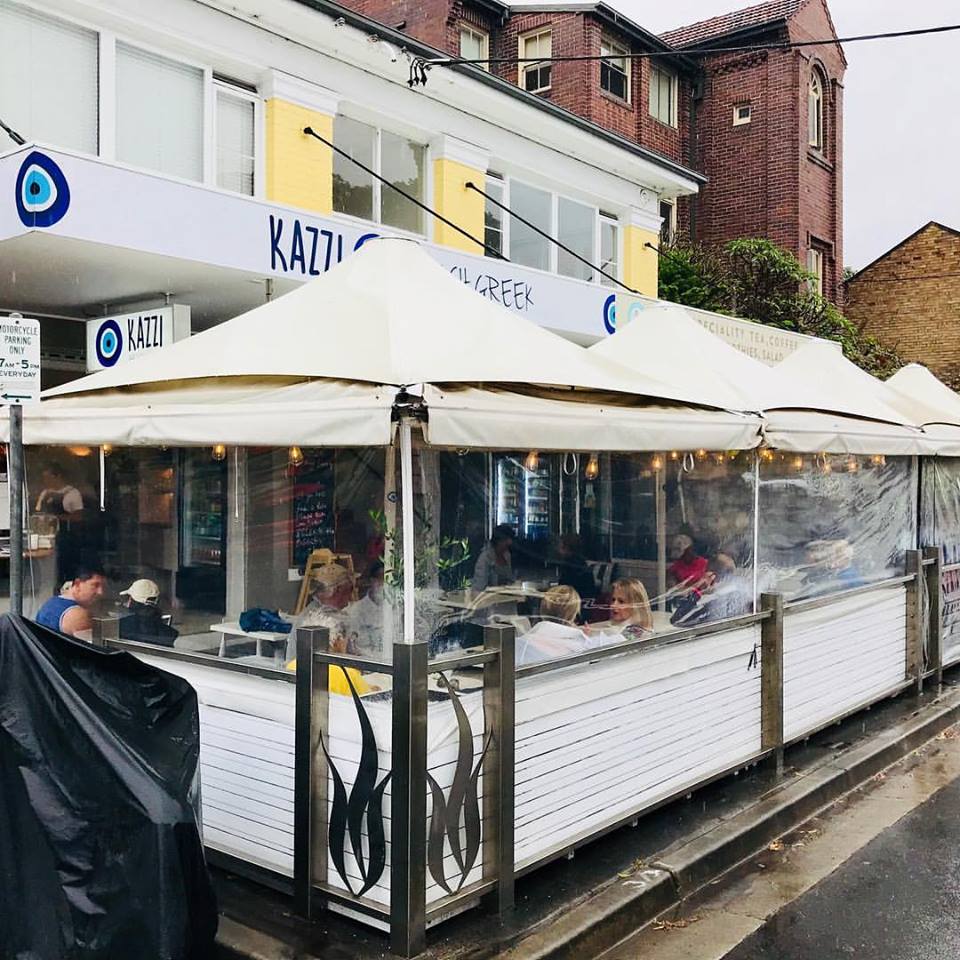
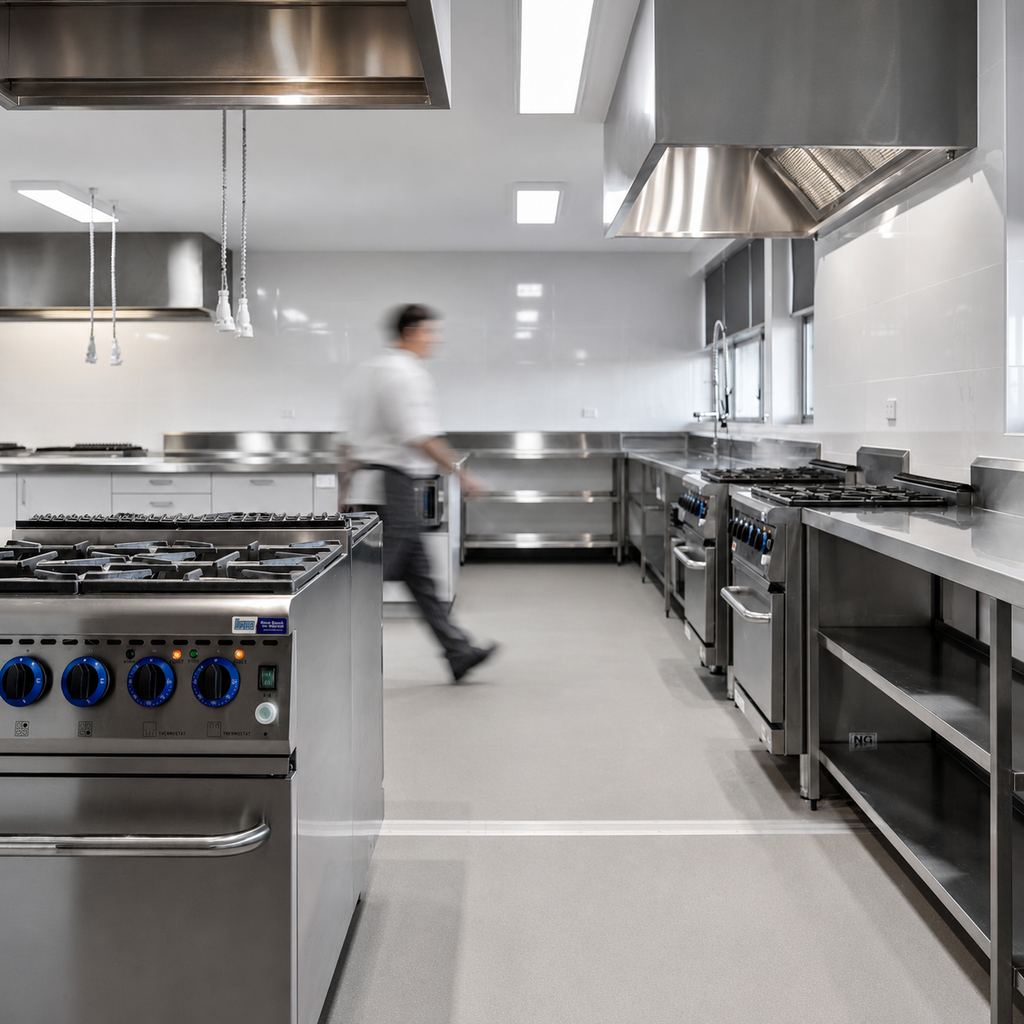
This is exactly where kitchen design and equipment strategy start to matter more than ever. In our experience at ICE Group Projects, we are seeing operators think beyond simply “filling a kitchen". They are asking smarter questions: How can this space handle multiple dayparts? Can one cooking station support breakfast, lunch and dinner services? Can we reduce labour touchpoints without losing quality? Can the equipment help us maintain consistency during busy periods? That shift is playing out in new builds, refurbishments and hospitality fit-outs, where flexibility and efficiency are becoming just as important as appearance. ICE Group Projects positions itself as a design-and-construction partner across hospitality fit-outs, refurbishments and interiors, and its portfolio spans restaurant, café and commercial projects across NSW.

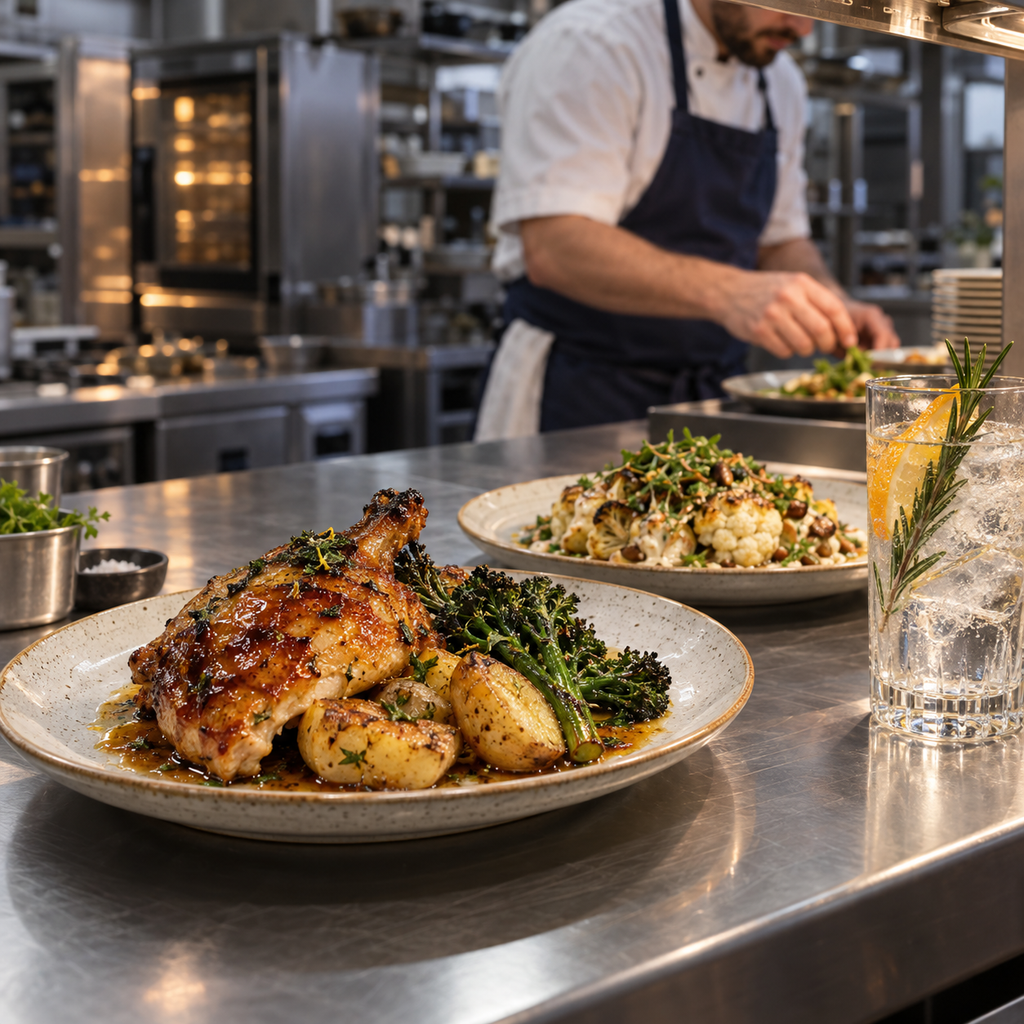
On the equipment side, this trend is one reason combi ovens continue to make so much sense in modern hospitality kitchens. ICE Group Hospitality’s range includes the Rational iCombi Pro Combi Oven, which is designed as a compact all-in-one cooking solution for smaller-footprint venues and can support roughly 20 to 80 meals per day, with Wi-Fi capability and intelligent cooking functions. That kind of versatility matters in 2026 because menus are widening while back-of-house teams are often staying lean. A combi oven gives operators practical cooking options such as roasting proteins, steaming vegetables, baking pastries, finishing plated dishes, or batch cooking menu staples with consistency. In a café, that might mean breakfast frittatas, roast pumpkin, poached salmon and house-baked muffins from one unit. In a pub or bistro, it could mean roast chicken portions, braised dishes, steamed greens and reheated service items with better moisture retention than older equipment setups.

Preparation and cold-line efficiency matter just as much. ICE Group Hospitality also supplies refrigerated prep counters and undercounter refrigeration, which support the kind of fast, high-turnover menu assembly that intentional dining often demands. A prep counter can streamline sandwiches, gourmet rolls, salads, wraps or pizza-style service, while undercounter units help smaller kitchens maximise storage without sacrificing workflow. ICE Group’s undercounter range highlights features like digital temperature display, efficient insulation and suitability for tighter commercial spaces, which is exactly the kind of practical performance operators are looking for as they chase both consistency and cost control.
Front-of-house merchandising is also becoming more important as venues look to lift average spend without adding friction. Open display refrigeration is a strong example. ICE Group Hospitality’s range includes the Skope Open Deck 403L Display Fridge OD460N, a sleek open-deck merchandiser designed to maximise visibility and encourage impulse purchases. With a 403-litre capacity, 1°C to 5°C temperature range, dimmable LED shelf lighting, and ChillGuard technology to help maintain safe serving temperatures, it is well suited to cafés, bakeries, grab-and-go outlets and modern retail food environments. Practical menu options include bottled juices, premium waters, ready-made salads, chilled desserts, sandwiches and other fresh convenience lines that customers can see and grab instantly. Features like the built-in night curtain, R290 natural refrigerant, and SKOPE-connect app control with hush mode also make it a smart option for operators balancing product presentation, energy efficiency and day-to-day usability. In 2026, visibility is sales. If it looks good, is easy to access, and suits the customer’s mood and budget, it moves.

What we are seeing in kitchen builds through ICE Group Projects is that operators are no longer designing purely for volume; they are designing for agility. They want kitchens that can pivot with seasonal menus, changing dining habits and different service models. They want efficient prep zones, versatile cooking equipment, smarter refrigeration, and layouts that reduce unnecessary movement. They also want spaces that support the experience guests now expect, because in 2026 the kitchen is no longer just a production area; it is part of the business model. The venues that win will be the ones that combine smart hospitality thinking with smart kitchen infrastructure. And frankly, that is where the magic happens — not just in the menu, but in the machinery behind it.
ICE Group Hospitality
Phone: 02 4228 0100
Email: info@icegroup.com.au
ICE Group Projects
Phone: 02 4228 0100
Email: projects@icegroup.com.au
Office: 98 Auburn Street, Wollongong NSW 2500

Recent Posts
-
-
-
From Menu Idea to Busy Service: The Equipment Behind a Kitchen That Works
September 19, 2026
-
-
-
-
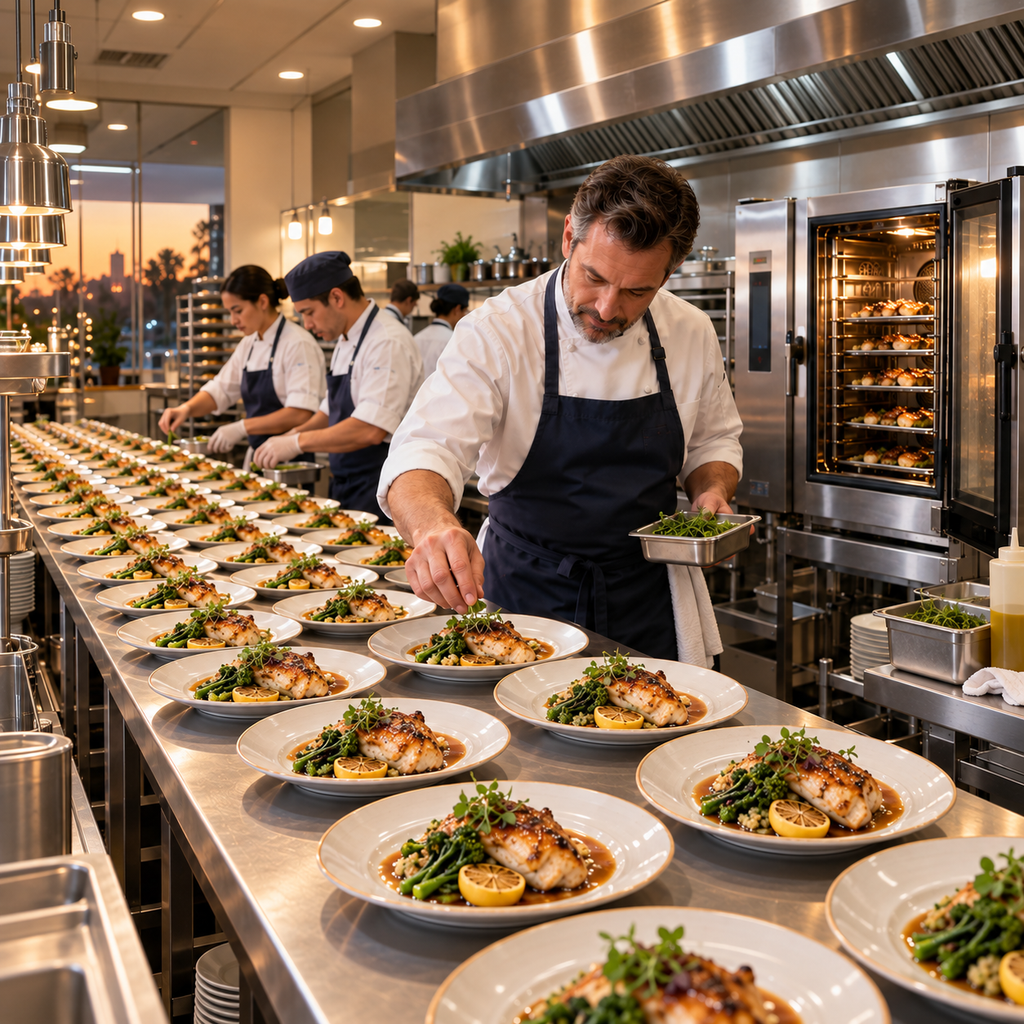
One Oven, 200 Plates: The Combi Oven Method for Wedding and Banquet Catering
September 13, 2026
-
-
-
-
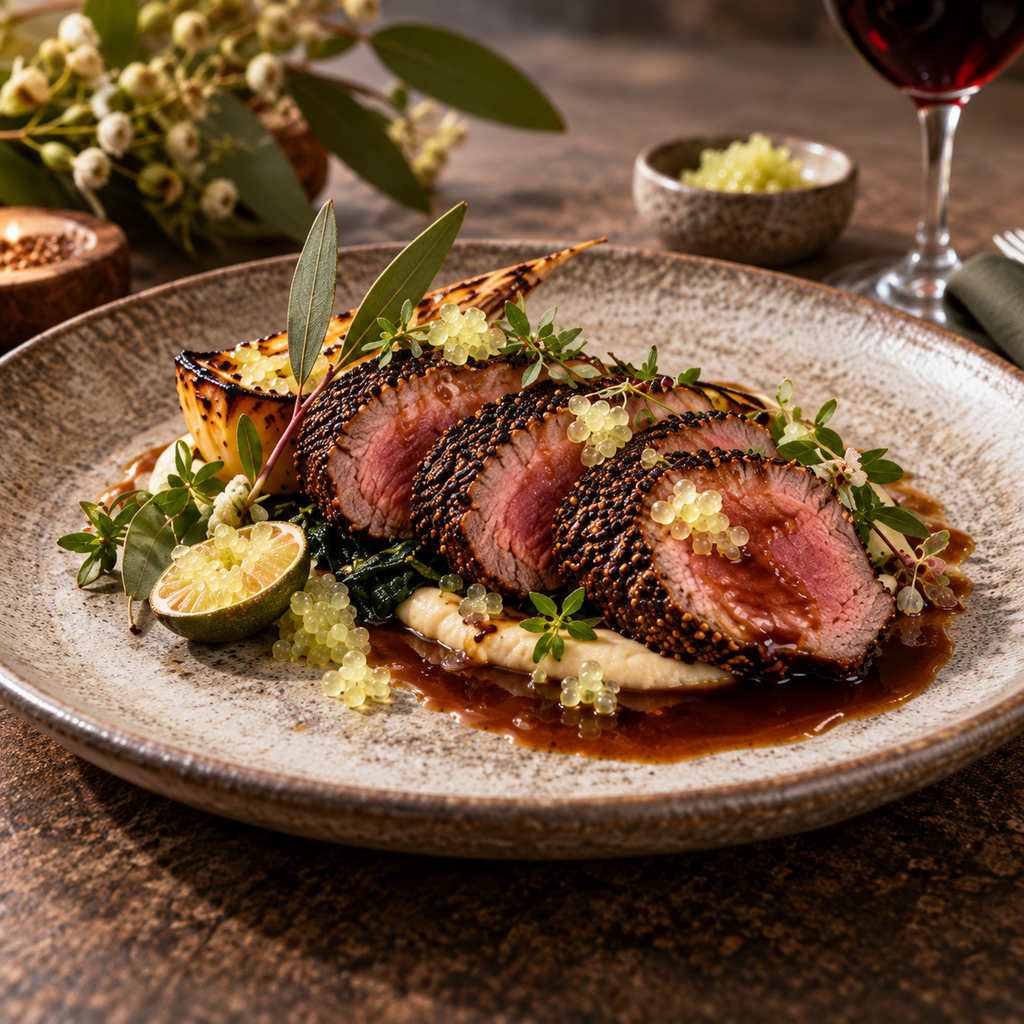
Native by Nature: Bringing Wattleseed and Finger Lime Onto Your Menu
September 09, 2026
-