Sous vide is often described as precision cooking, which is true but incomplete. A water bath can hold a stable temperature; it cannot organise a prep list, cool food safely or put a crust on a steak during a rush. The useful question is not whether the technique is clever. It is where it removes uncertainty.
For restaurants, hotels and function kitchens, controlled low-temperature cooking may support repeatable doneness, better yield and production ahead of service. Those benefits arrive only with sound packaging, time-and-temperature controls, rapid chilling where required and a finish that gives the food colour and character.
Use It Where Precision Solves a Real Problem
Tougher cuts, portioned proteins, vegetables and some sauces can benefit from controlled cooking. The technique is particularly helpful when batches must reach the same internal result before a fast final sear or regeneration. It is less useful when the traditional method is already quick, clear and reliable.
Start with one product and a measurable goal: reduce shrinkage, improve doneness or move work away from peak service. Adding vacuum pouches to every item creates more sealing, labelling, storage and waste without necessarily improving the plate.
Precision Requires More Than a Display
The bath temperature, product thickness and time work together. A set point does not prove the centre has reached a safe or suitable condition. Use validated procedures appropriate to the food and your local requirements, and train staff to record the process rather than glancing at the screen.
Circulation must remain clear around every pouch. Overloading slows heat transfer and creates variation. Calibrate equipment and independent probes on a schedule, because a precise-looking number is only useful when it is accurate.
The Pouch Is Part of the System
Use suitable food-grade bags and reliable seals. Keep the sealing edge clean, avoid trapped bones or sharp corners and arrange food in an even layer. Marinades and fats should be measured; excess liquid can interfere with sealing and change heat transfer.
Label product, batch, relevant times and use-by information according to the venue’s food-safety program. Once several identical bags are chilled in a drawer, memory is not enough. Good labels also make stock rotation and service counts far easier.

Cook-Chill Needs Its Own Discipline
When food is not served immediately, cooling is a critical stage. Follow validated chilling procedures and local food-safety requirements, using appropriate equipment and monitoring. A domestic ice bath improvised around a large production run can become the weak point in an otherwise controlled process.
Store pouches cold, organised and visible. Check seals after cooking and cooling, separate raw from ready-to-eat product and set realistic shelf-life rules. Sous vide extends control; it does not make food immortal.
The Final Sear Still Matters
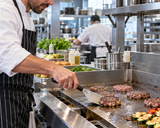
Food leaves the pouch evenly cooked but usually pale and wet. Dry the surface thoroughly, season appropriately and finish over strong heat for colour and aroma. A crowded pan steams the product and wastes the precision achieved in the bath.
Build the finishing step into station capacity. If twenty steaks leave the bath together but the kitchen can sear only four well, the bottleneck has simply moved. Rest, sauce and garnish timing still apply.
Measure Yield, Labour and Throughput
Compare cooked yield, preparation time, bag cost, energy, storage and service speed against the existing method. The value may appear in consistency and reduced remakes rather than ingredient cost alone. Record the numbers through several busy services.
Commercial sous-vide equipment, vacuum packing and suitable chilling must work as one system. Explore ICE Group’s sous-vide equipment with your batch size and workflow in mind. Precision is useful when the entire process supports it.
Staff need to understand what the process can and cannot correct. Sous vide may reduce variation in core temperature, but it will not improve poor trimming, weak seasoning or careless finishing. Include pouch inspection, drying and searing in training, and let cooks taste the difference between a properly finished portion and one that was hurried from bath to plate. Precision becomes meaningful only when the guest can experience it as better food.
Start with a short trial period and nominate one person to maintain the written process. Review pouches, yields, finish times and rejected portions each week. If the method creates extra storage pressure or moves labour into an already crowded prep period, adjust the production schedule rather than assuming precision automatically means efficiency.
The takeaway
Sous vide can give hospitality kitchens repeatable doneness, useful yield and better production control. Keep the process narrow, validated and clearly labelled; protect chilling and storage; then finish with enough heat to create real flavour. The water bath handles temperature. The kitchen still handles everything else.