From Menu Idea to Busy Service: The Equipment Behind a Kitchen That Works
- Sep 19, 2026
- 0 Comments
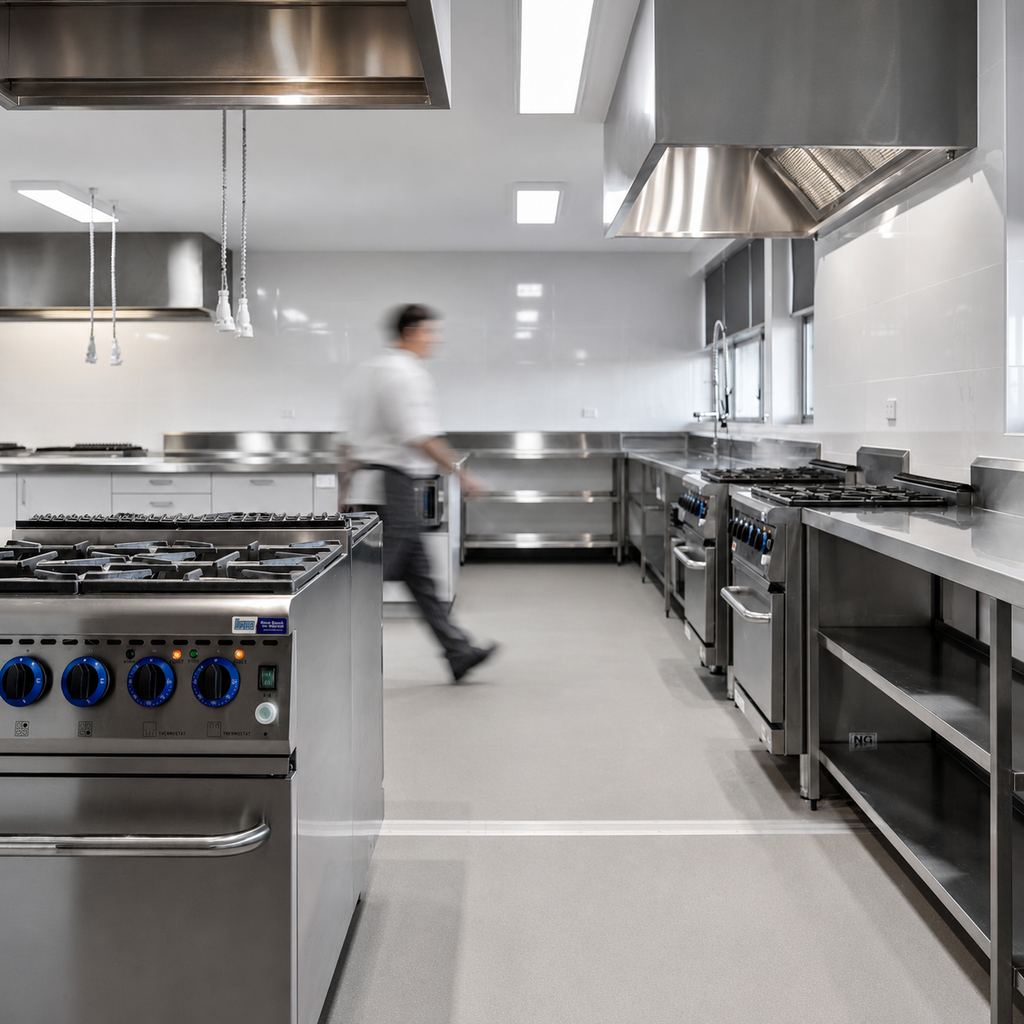
The toasties are backing up, the next tray needs oven space and the bar is halfway through its ice. A good menu brings people through the door. A well-planned kitchen helps the team deliver it when the room fills. That means looking beyond the individual appliance to the way each order moves through preparation, cooking, finishing and service. A sandwich grill needs enough bench space beside it. An oven needs a loading plan that works when several dishes are due at once. The bar needs ice ready before the rush begins. When those details work together, staff can spend more time on the food and less time working around the kitchen.
For Australian cafés, restaurants, pubs and hotels, equipment selection starts with understanding that working day. Your menu, busiest service window, available space and existing utilities should shape the shortlist. The aim is to give each piece of equipment a clear job, whether that is keeping breakfast moving, producing consistent batches for lunch or supporting a full evening of drinks service. Here is how to approach benchtop cooking, batch production and ice supply, with Roband, Zanussi and Brema as three useful starting points. We also look at the costs beyond the purchase price and the practical details to bring to an equipment discussion, so your next investment addresses a real need in the venue.

Start with the dish, then follow the work
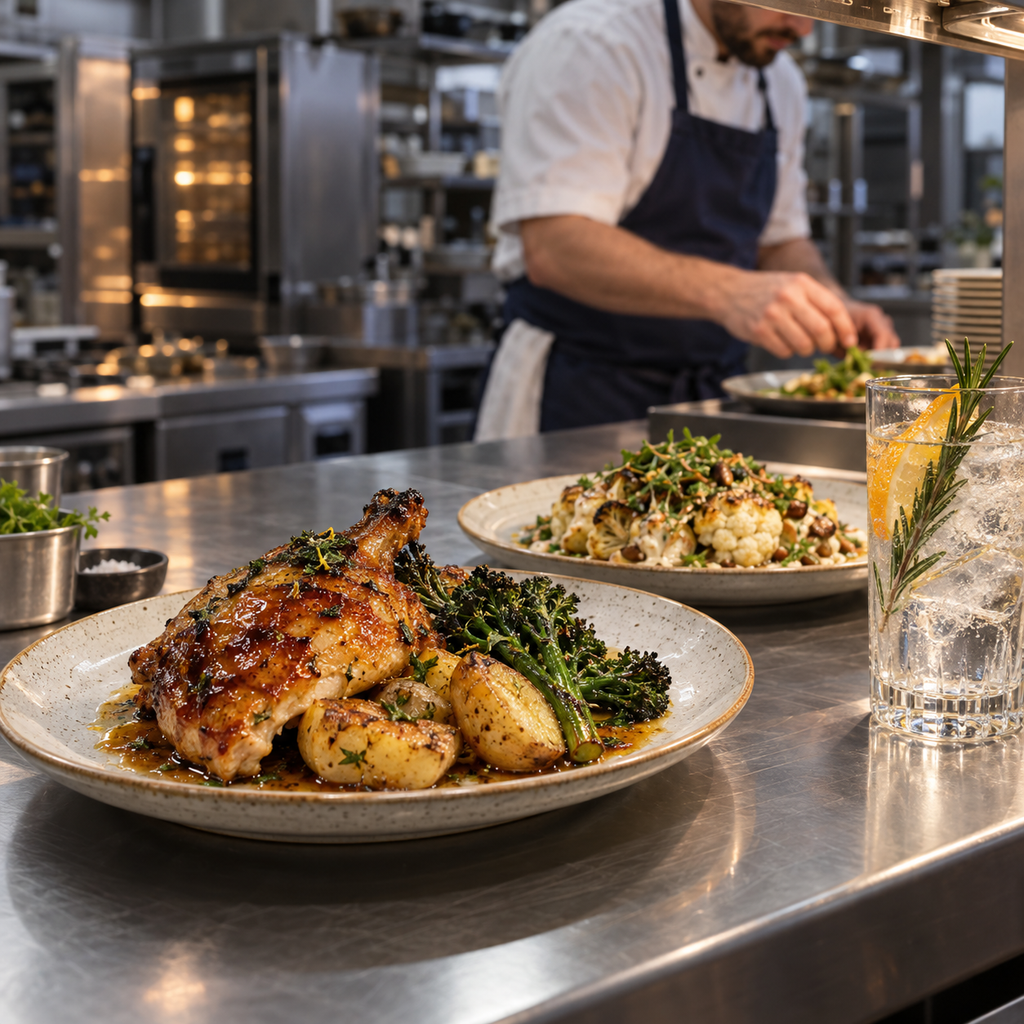
A hot-honey chicken special can look straightforward on paper. During service, it needs oven space, somewhere to finish the glaze and a clear route to the pass. Add toasted sandwiches, vegetable sides and a round of iced drinks, and the equipment brief starts to write itself.
Map your strongest sellers from delivery and storage through preparation, cooking, plating and wash-up. Then look at the busiest part of the day. Where do orders queue? Which appliance is doing three jobs at once? Where are staff walking further than they need to?
A useful upgrade begins with one specific problem: faster toastie turnover, more predictable batch cooking or enough ice to carry the bar through the rush.
Roband: give the everyday favourites room to move
For a café, canteen or casual dining venue, the most valuable equipment often supports the dishes ordered repeatedly. Think crisp sourdough toasties, breakfast sides and a well-presented hot-food offer.
Roband’s range includes grill stations, toasters, fryers, bain maries and food warmers. These are different tools for different jobs, so start with the service requirement rather than simply filling the bench.
For toasted sandwiches, consider how many portions can cook together, the bread and filling thickness, the finish you want and the time between batches. For display and holding, consider turnover and product quality as well as capacity.
Trial the actual menu item. A generous focaccia behaves differently from thin sandwich bread, and a busy breakfast station needs more than a good-looking result from one test portion.

Zanussi: make batch cooking part of the plan
Roasted vegetables, baked dishes and plated mains can compete for the same oven just as orders build. Batch planning helps reveal whether the constraint is cooking space, timing or the way the menu is organised.
Zanussi Professional’s Magistar combi ovens support cooking methods including roasting, steaming, baking and regeneration. That flexibility gives a kitchen options, but the right capacity still depends on the food, tray arrangement and service schedule.
Consider a roasted cauliflower dish with tahini, herbs and a crisp garnish. The oven handles the main component; the team still needs preparation space, sauce storage and an efficient finishing station. Increasing oven capacity will only help if the next stage can keep up.
Ask for a demonstration using a representative load. Check the cooking result, loading access, cleaning process and required services. If cook-chill is part of the plan, include suitable chilling and storage capacity in the brief from the beginning.
Brema: give drinks the same attention as the food
A citrus spritz or carefully built alcohol-free drink deserves the same consistency as a signature dish. Ice is part of that experience, and running short can interrupt the whole bar.
Brema offers several ice formats. Match the format to your glassware, recipes and service style, then assess production and storage together. A daily output figure alone does not tell you how much ice will be available during the busiest hour.
Build a demand estimate from the drinks you actually sell, ice used in preparation and any other planned uses. Ask the supplier to check output against the intended installation conditions, including air and incoming water temperatures.
Allow for cleaning access, ventilation, drainage and water treatment requirements. The aim is a dependable supply sized around your venue, with practical room for peak demand.

Look beyond the purchase price
The equipment quote is the starting point. Freight, installation, utilities, accessories, cleaning, maintenance and staff training all belong in the comparison.
Look closely at claims about labour savings. Time released from repetitive work may improve service or give the team room for extra orders; it does not automatically reduce the wage bill. Measure the task before and after an upgrade, then decide what the difference means for your operation.
Use consistent assumptions when comparing options: the same menu, service volume, operating hours and cost basis. ICE Group’s Hospitality tools & calculators provide a starting point for exploring equipment energy savings and food costs alongside overheads.
Build a brief your kitchen can use
Before shortlisting equipment, bring these details together:
- Your core menu and the dishes that slow service.
- Peak orders or covers, plus the time available to deliver them.
- Available space, delivery access, power, water, drainage and ventilation.
- Preparation, storage, cleaning and maintenance requirements.
- A complete installed budget and the outcome you want to improve.
The best equipment choice makes sense from the first prep task to the last clean-down. Roband, Zanussi and Brema address different parts of that working day. Choose each around a clear job, and the menu has a better chance of arriving at the table exactly as you intended.
Speak with ICE Group about matching equipment to your menu, space and service volume.
Put your next kitchen decision into perspective
Explore equipment savings and understand your operating costs.
Explore hospitality tools →
Recent Posts
-
-
-
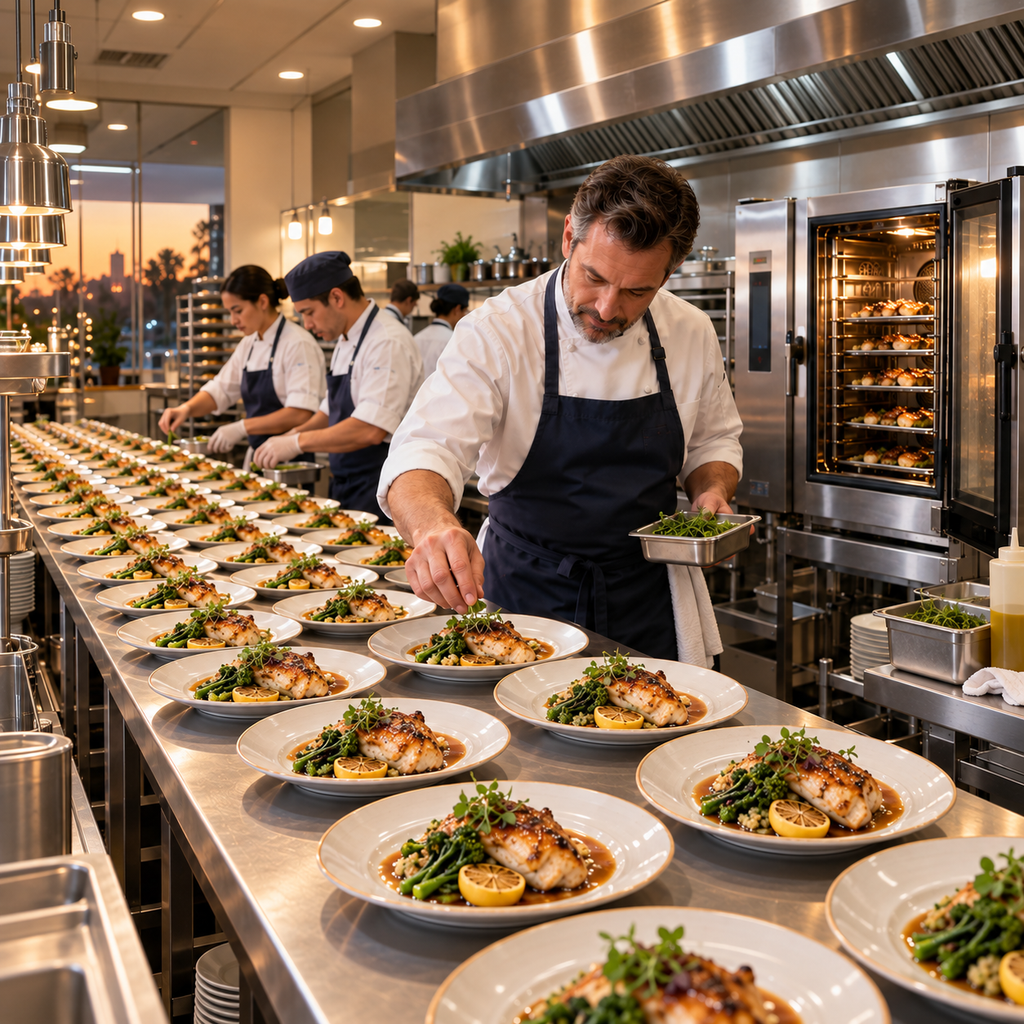
From Menu Idea to Busy Service: The Equipment Behind a Kitchen That Works
September 19, 2026
-
-
-
-
One Oven, 200 Plates: The Combi Oven Method for Wedding and Banquet Catering
September 13, 2026
-
-
-
-
Native by Nature: Bringing Wattleseed and Finger Lime Onto Your Menu
September 09, 2026
-