


Giorik: Combi cooking
Compare oven formats against your menu, tray needs and available services.
 Benchtop Equipment
 Commercial Cooking Equipment
 Food Display & Holding
 Warewashing & Cleaning
 Coffee & Beverage Equipment
 Stainless Steel, Storage & Trolleys
 Combi Ovens
 Commercial Coffee Machines
 Dishwashers & Glasswashers
Restaurants & takeaways
Build your cooking, refrigeration, preparation and wash-up plan around the menu, order volume and busiest service.
Build your equipment plan
Build the cooking line, prep stations and wash-up area as one service workflow.

Match the appliance mix to your menu and busiest service.
Shop range
Compare cooking capacity, turnaround and the footprint.
Shop range
Plan tray formats, batches and the cooking schedule.
Shop range
Bring chilled ingredients within reach of preparation.
Shop range
Match slicing, mixing and processing to daily tasks.
Shop range
Plan rack demand and clean-to-dirty flow.
Shop rangeSolve the service bottlenecks
Check simultaneous cooking tasks, batches and the menu’s heaviest service demands.
Explore cooking equipmentBring ingredients within reach and allow space for replenishment, assembly and cleaning.
Explore prep countersAllow for scraping, loading and unloading alongside machine cycles.
Estimate wash-up capacityHospitality tools
Explore ingredient costs, selling prices and menu margins.
Use this tool Running costsCompare equipment power, operating hours and your electricity rate.
Use this tool Wash-up planningEstimate rack demand and the handling time behind a busy service.
Use this toolBefore you buy
Equipment across your operation


More brands to compare
Start with these product examples, then compare the wider brand ranges. Confirm model specifications, site requirements and availability before ordering.
Compare oven formats against your menu, tray needs and available services.

Review an electric fryer alongside your fry station and electrical supply.

Compare refrigerated drawer configurations for your preparation line.

Review the cooking surface and bench footprint against your menu.
Already have a Synergy grill? Browse listed accessories and confirm compatibility with your exact grill model before ordering.

ICE Group project experience
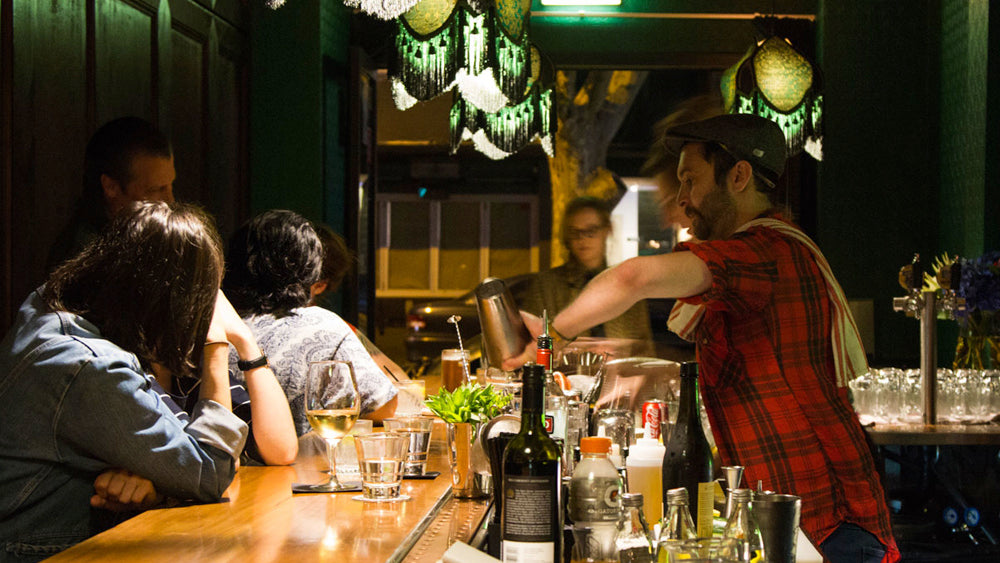
Humber combines a café, rooftop bar and cocktail lounge across three levels. ICE Group delivered construction, fitout, equipment supply and custom fabrication.
Your questions, answered
Start with the menu, busiest hour and footprint. Map preparation, cooking, plating, storage and wash-up before choosing appliances.
Share the current layout, equipment list and service bottlenecks. Our team can discuss replacements and installation needs.
Send the menu, peak demand, site dimensions, utilities, preferred equipment and timing.
The right commercial kitchen starts with the menu. Every item affects cooking methods, preparation space, refrigeration, holding and wash-up. A compact takeaway may need rapid, repeatable output from a short cooking line, while a full-service restaurant may require multiple preparation zones and greater flexibility across lunch and dinner service.
List the core dishes, cooking processes and covers expected during the busiest service. Identify which appliances will operate at the same time and where bottlenecks could occur. Ovens, fryers, grills, ranges and pasta equipment should be selected around actual batch sizes, recovery times and staff workflow—not simply the largest model that fits the budget.
A practical flow moves from receiving and storage through preparation, cooking, plating, service and wash-up. Separate raw and ready-to-eat activities where possible, keep frequently used refrigeration close to the cooking line and leave suitable landing space beside hot equipment. Stainless-steel benches and workstations can be configured to support hygiene and reduce unnecessary movement.
Commercial equipment can have significant electrical, gas, water, drainage and exhaust requirements. Confirm services and approvals with qualified professionals before committing to a model. Delivery access, floor loading, equipment clearances and service access also need to be checked, particularly in existing or upper-level premises.
Warewashing capacity should match the busiest period, not average use. Compare rack size, cycle time, water treatment, pre-rinse requirements and clean-item storage. A well-planned wash-up area protects service speed and food-safety routines across the whole venue.
ICE Group supplies commercial cooking equipment, preparation, refrigeration, food display and warewashing solutions across Australia. The team can also assist with equipment planning, installation, servicing and complete hospitality fitouts across Sydney, Wollongong, the Illawarra and the South Coast. Discuss your menu, capacity and site to develop a more accurate equipment schedule.
Let's plan your next step
Share your menu, peak covers or orders, layout and opening or upgrade date. Our team can help prepare a practical shortlist.
Plan • compare • specify
Connect your shortlist with practical guidance, capacity planning and the right venue setup.
Ready to check your specification? Bring your capacity, power, water, drainage, access and delivery questions to ICE Group.
Enter your email address below to enjoy exclusive offers, inspiration and the latest products.
$10 off orders over $200. One use per customer. Cannot be combined with other discounts.