Restaurant rankings are entertaining on the day they are released and dated almost as quickly. Names move, judging systems change and a headline built around one year loses value. The more useful question for an Australian operator is not who placed first. It is what the consistently admired venues do that can improve an ordinary Tuesday service.
The answer is rarely a single luxury ingredient or dramatic room. Strong restaurants know what they stand for, edit their choices, rehearse the details and make the guest feel the operation is more effortless than it really is. Those principles travel from destination dining to neighbourhood cafés and hotel restaurants.
Know What the Restaurant Is—and Is Not
Memorable venues can be described without listing every dish. Their food, room, music, uniforms and service language point in the same direction. That clarity helps guests choose them and helps staff make hundreds of small decisions without waiting for the owner.
A clear identity also permits restraint. If a new dish, promotion or design trend does not belong, it can be left out. Operators often confuse more options with more appeal; leading restaurants understand that editing is part of the experience.
Make Local Relevance More Than a Supplier List
A strong sense of place may come from native ingredients, regional produce, a neighbourhood story or the way a familiar dish is treated. The point is not to force “local” into every sentence. It is to make choices that could not have been copied unchanged from anywhere else.
Supplier relationships can support seasonality and trust, but the menu still needs clear value. Tell the story where it helps the guest understand flavour or provenance. Avoid turning the menu into a directory of farms that staff cannot explain.
Fewer, Stronger Choices Build Confidence
Leading kitchens are disciplined about what reaches the menu. They test the complete experience—portion, temperature, pacing, plateware and service language—not only the recipe. If a dish cannot survive real volume, it is not ready, regardless of how it performed at a quiet tasting.
A tighter menu can improve purchasing, training, waste and consistency. It also gives each dish space to be noticed. This does not require fine-dining minimalism; a busy pub or café can still edit duplicates and make its signature items unmistakable.

Service Quality Lives Between the Big Moments
Guests remember waiting without information, repeating a dietary request and struggling to pay more than they remember a perfectly folded napkin. Map the journey from booking or walk-in through greeting, ordering, pacing, payment and farewell. Find the handovers where responsibility becomes unclear.
Briefings should cover more than specials. Discuss bookings, accessibility, dietary needs, likely pressure points and the language staff can use when something goes wrong. Recovery is part of hospitality. A calm, honest response can build more loyalty than pretending the delay is invisible.
Leading venues also understand pacing. They know when to give a table attention and when to let conversation continue. Technology can remove friction from bookings, ordering and payment, but it should not make the guest feel processed. The best systems give staff more time to notice people, not another screen to manage.
Make Excellence Repeatable
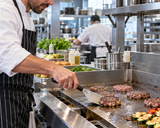
High standards depend on systems: recipe specifications, cleaning schedules, temperature checks, maintenance, training and a pass that catches errors early. Creativity works better when the basics are dependable. Otherwise, every service becomes an improvisation around preventable problems.
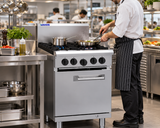
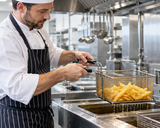
Equipment should support the menu’s volume and method. Reliable commercial cooking equipment reduces variation, but layout and training determine whether the team can use it well when the docket rail fills.
Use Feedback Without Chasing Every Opinion
Review sales mix, return visits, complaints, waste and staff observations together. One online comment is not a strategy, but repeated friction around the same wait, portion or dish deserves attention. Look for patterns and decide who owns the response.
The goal is not to imitate a famous restaurant. It is to apply the discipline beneath its reputation: a clear promise, carefully edited choices and consistent delivery. That is available to venues at every price point.
Staff experience belongs in the same conversation. Consistent hospitality is difficult when the team is exhausted, under-briefed or constantly changing. Clear roles, useful training and respectful communication are operational advantages. Guests can feel when a service team trusts one another, even if they never see the work behind it.
The takeaway
Rankings expire; operating lessons do not. Build a clear identity, make the menu belong to its place, rehearse the guest journey and support creativity with dependable systems. The restaurant people remember is usually the one that knows what matters and delivers it consistently.