Cube vs Crescent vs Flake vs Nugget Ice: Which Is Right for Your Venue?
- Oct 05, 2026
- 0 Comments
Two ice machines can have a similar daily output and still be designed for very different jobs. The shape and texture of the ice affect presentation, handling, melting behaviour and the type of service the machine can support.
For cafés, bars, restaurants, hotels and food-production sites, choosing the ice format first makes the equipment shortlist much easier. Once the application is clear, use production, storage and installation requirements to narrow the models.

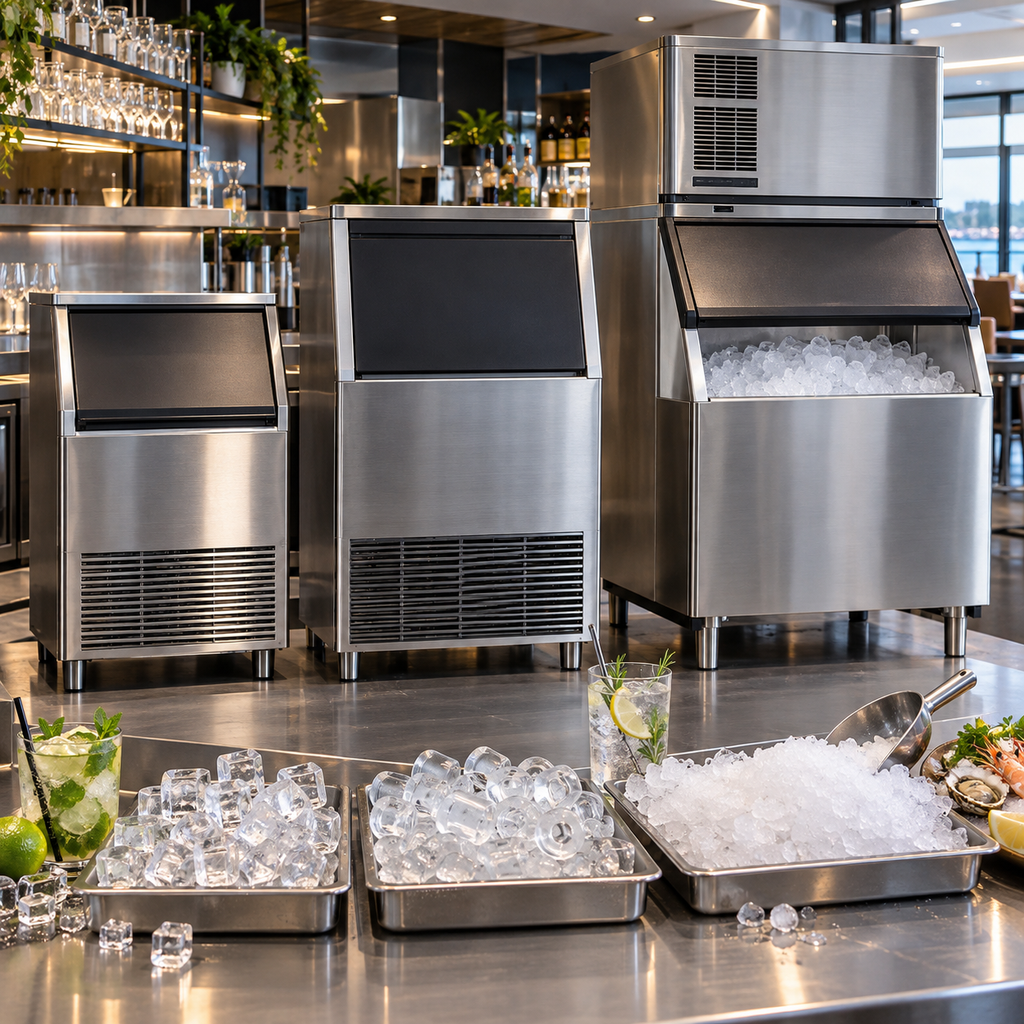
Cube vs crescent vs flake vs nugget ice
| Ice type | Best suited to | Main planning point |
|---|---|---|
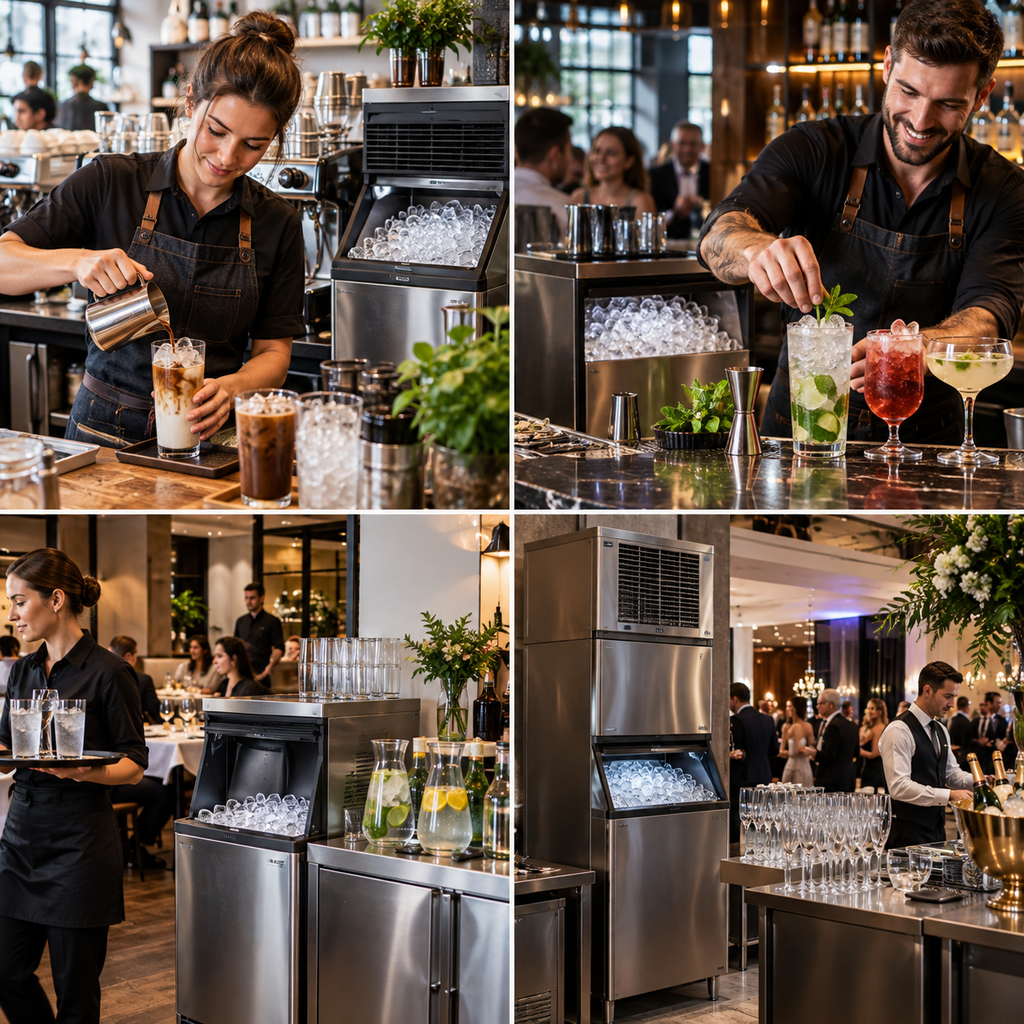
| Cube | Cafés, restaurants, cocktails, table water and general beverage service | Check the actual cube size and shape against glassware and drink presentation. |
| Crescent | High-volume beverage service, bars, clubs and hospitality venues | A strong all-round commercial choice where throughput and drink service matter. |
| Flake | Seafood, fresh-food display, preparation, chilling and product presentation | Designed for coverage and contact rather than standard beverage presentation. |
| Nugget / granular | Dispensed drinks, healthcare, specialised beverage service and chewable-ice applications | Confirm dispenser compatibility, storage and cleaning requirements. |
When is cube ice the right choice?
Cube ice is the most flexible starting point for general hospitality beverage service. It works across water, soft drinks, iced coffee and many cocktail formats, but “cube” is not one universal shape. Commercial machines can produce different cube weights and dimensions, so glassware and presentation should be checked before specifying a model.
For cafés and restaurants, cube ice often makes sense when one machine needs to support several beverage categories without adding unnecessary complexity.
When does crescent ice make sense?
Crescent ice is well suited to busy beverage operations that want consistent drink ice with strong commercial throughput. Hoshizaki, for example, separates its KM and KMD crescent ranges from its standard cube machines, which is a useful reminder that the ice format is a deliberate equipment decision rather than simply cosmetic.
Bars, pubs and clubs should compare crescent models against actual peak draw, glass volume and storage requirements rather than choosing from daily output alone.

What is flake ice used for?
Flake ice is primarily a product-handling and presentation format rather than a general drinks cube. Its small, irregular pieces spread easily across seafood, fresh-food displays and preparation areas, giving broad contact with the product being chilled.
For fishmongers, seafood restaurants, food-production sites and display applications, flake output and storage should be sized around how much display area or product is being covered and how often the ice is replenished.
Where does nugget ice fit?
Nugget ice is suited to applications where a softer, chewable and dispensable ice format is preferred. It can be useful in beverage dispensers, healthcare environments and specialist hospitality settings.
Because nugget systems may be paired with different dispensing or storage arrangements, the full equipment layout matters as much as the headline production figure.

Which ice type suits your venue?
| Venue | Likely starting point | Questions to ask |
|---|---|---|
| Café / coffee shop | Cube or other beverage ice | How many iced coffees and cold drinks are sold on the busiest warm day? |
| Restaurant | Cube or crescent | Will the machine support table water, soft drinks, cocktails and kitchen demand? |
| Bar / pub / club | Cube or crescent; specialist formats where the drinks program needs them | What does the busiest two-hour service consume, and how much stored ice is available at the start? |
| Hotel | Depends on bar, functions, accommodation and dispenser requirements | Are multiple service areas sharing one ice source? |
| Seafood / fresh-food display | Flake | How much display or product area needs continuous ice coverage? |
Build the machine shortlist after choosing the ice
Once the ice format is clear, move through the commercial buying sequence:
- Estimate peak daily demand.
- Add a realistic operating buffer.
- Check storage separately from production.
- Choose self-contained or modular equipment.
- Confirm water, drainage, ventilation, power and access.
- Compare models within the same job and output class.
Turn the ice type into an equipment shortlist
Use the Size Finder for a starting production range, read the complete buying guide, or browse ICE Group's commercial ice-machine range.
Use the Size Finder → Read the buying guide → Browse ice machines →Frequently asked questions
What is the best ice type for a café?
For most cafés, a general beverage cube is the simplest starting point because it can support iced coffee, cold drinks and table water. The final choice should match the café's glasses, menu and peak beverage volume.
Is crescent ice better than cube ice?
Not universally. Crescent and cube ice suit overlapping beverage applications. Compare the intended drinks, presentation, available machines, production output and storage rather than assuming one shape is always better.
Can flake ice be used in drinks?
Flake ice is mainly selected for food display, seafood, chilling and preparation applications. Beverage service usually starts with cube, crescent or nugget-style ice depending on the venue.
What should I choose before looking at machine brands?
Choose the application, ice type and approximate production requirement first. Brand comparisons become much more useful once the machines being compared are doing the same job.
Reviewed 5 October 2026 · Martin Costanzo · ICE Group Hospitality

Recent Posts
-
-
-
Hoshizaki vs Bromic vs Brema: Comparing Commercial Ice Machines
October 05, 2026
-
-
-
-
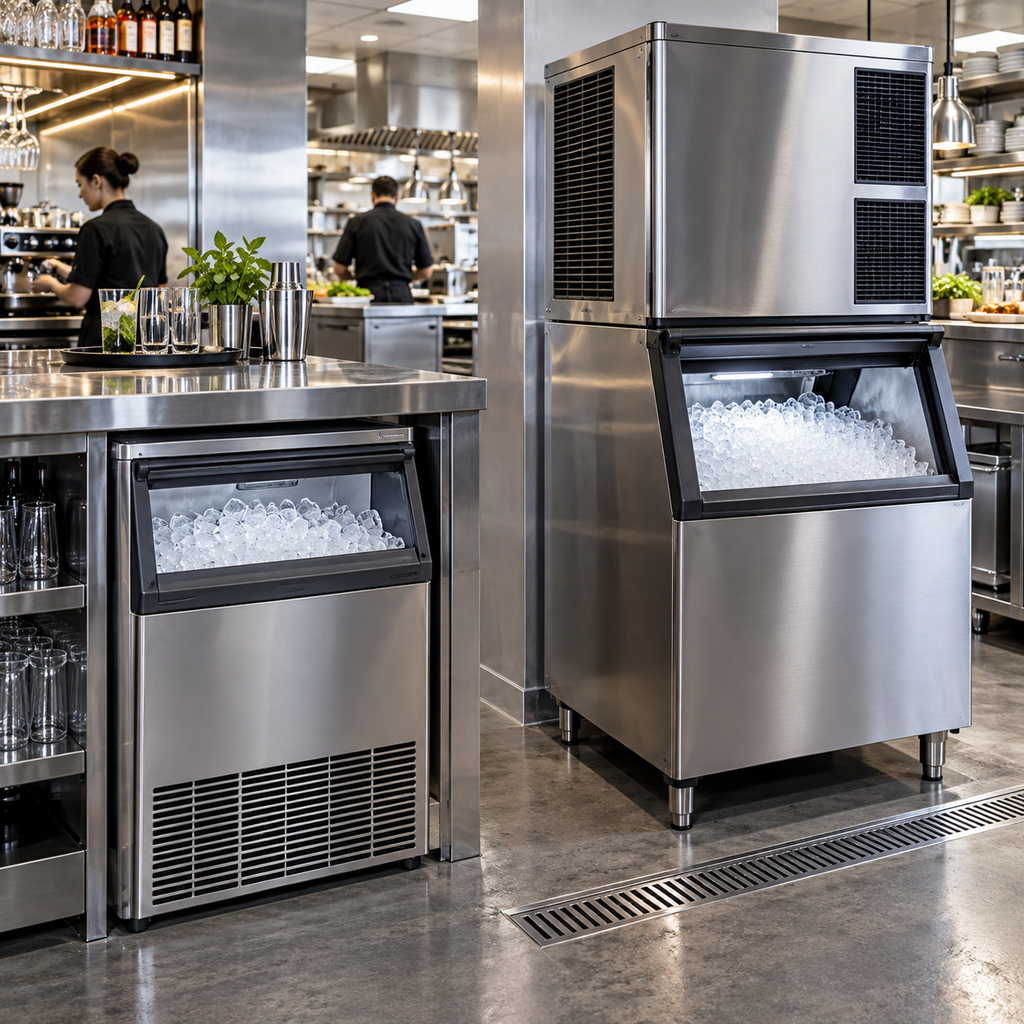
Undercounter vs Modular Ice Machines: Which Setup Fits Your Venue?
October 05, 2026
-