2 Group vs 3 Group Commercial Coffee Machines: Which Is Right for Your Café?
- Oct 05, 2026
- 0 Comments
Moving from two groups to three looks like a simple capacity upgrade, but the extra group only helps when the rest of the coffee station can support it. Grinder speed, milk workflow, steam demand, barista positions, cup handling and payment or docket flow can become the real bottleneck.
This guide is for cafés, restaurants, hotels and clubs comparing traditional commercial espresso machines and deciding whether a 2-group or 3-group layout suits their busiest service.

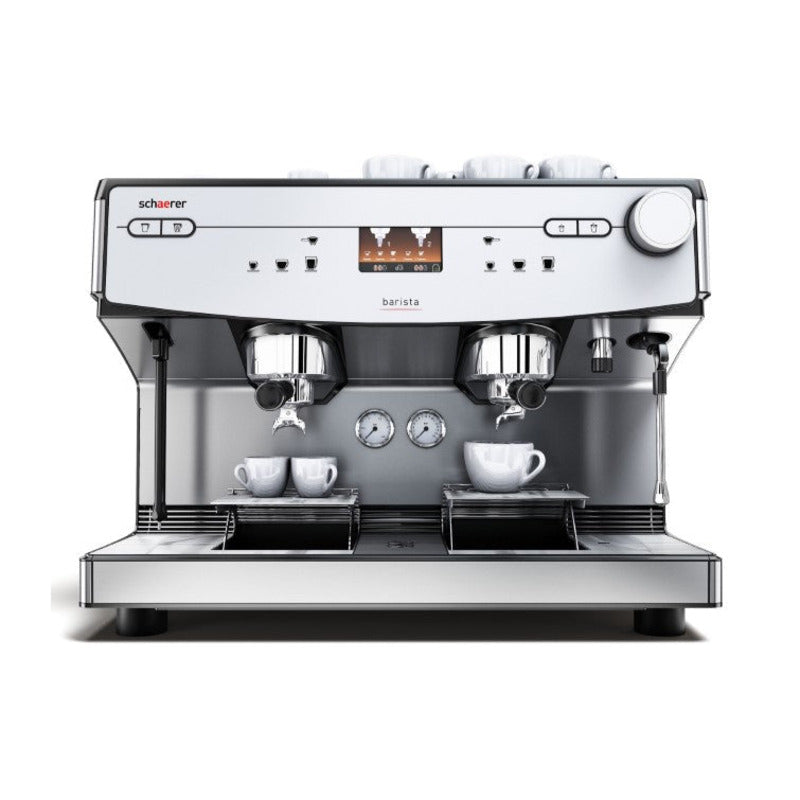
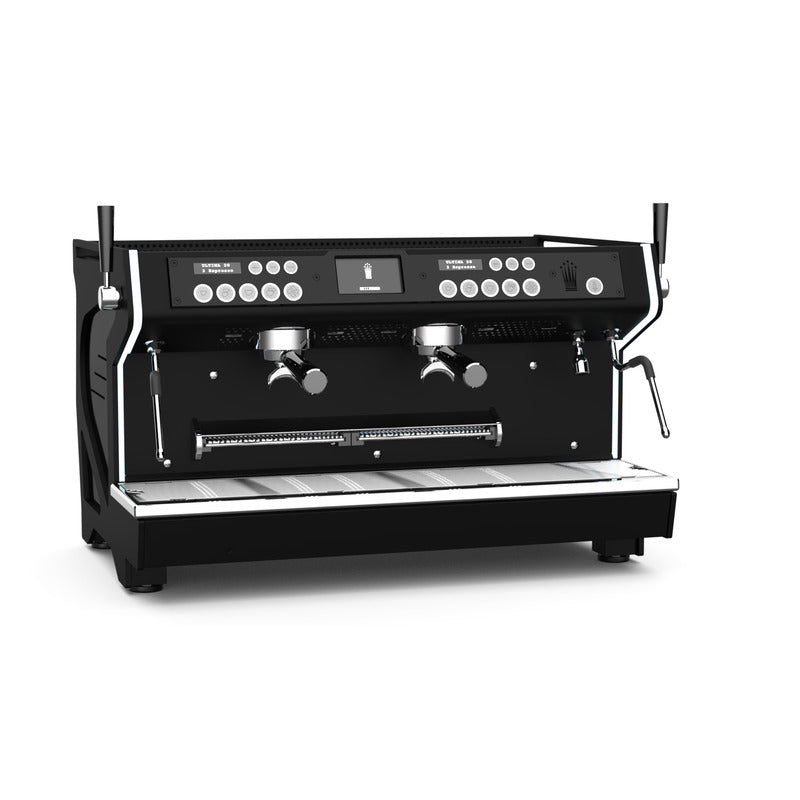
2-group vs 3-group commercial coffee machines
| Criteria | 2 group | 3 group |
|---|---|---|
| Best fit | Many cafés, restaurants and hospitality venues | High-volume cafés, hotels, clubs and very busy service periods |
| Simultaneous espresso work | Two groups available for extraction | Three groups available for extraction |
| Bench footprint | More compact | Wider and generally more demanding of the coffee bar |
| Staffing | Works well with one or two baristas depending on workflow | Most useful when multiple staff can use the extra capacity efficiently |
| Site demand | Check electrical, water and drainage requirements | Often requires more bench space and may have greater electrical/service requirements |
When is a 2-group coffee machine enough?
A 2-group machine is often the best commercial balance when the venue wants strong peak capability without over-building the coffee station. Two groups allow simultaneous extractions while leaving more bench space for grinders, milk, cups and hand-off.
For many cafés, the more useful question is not “Can we fit a third group?” but “Can our existing grinder, milk and staff workflow keep two groups busy during the peak?”
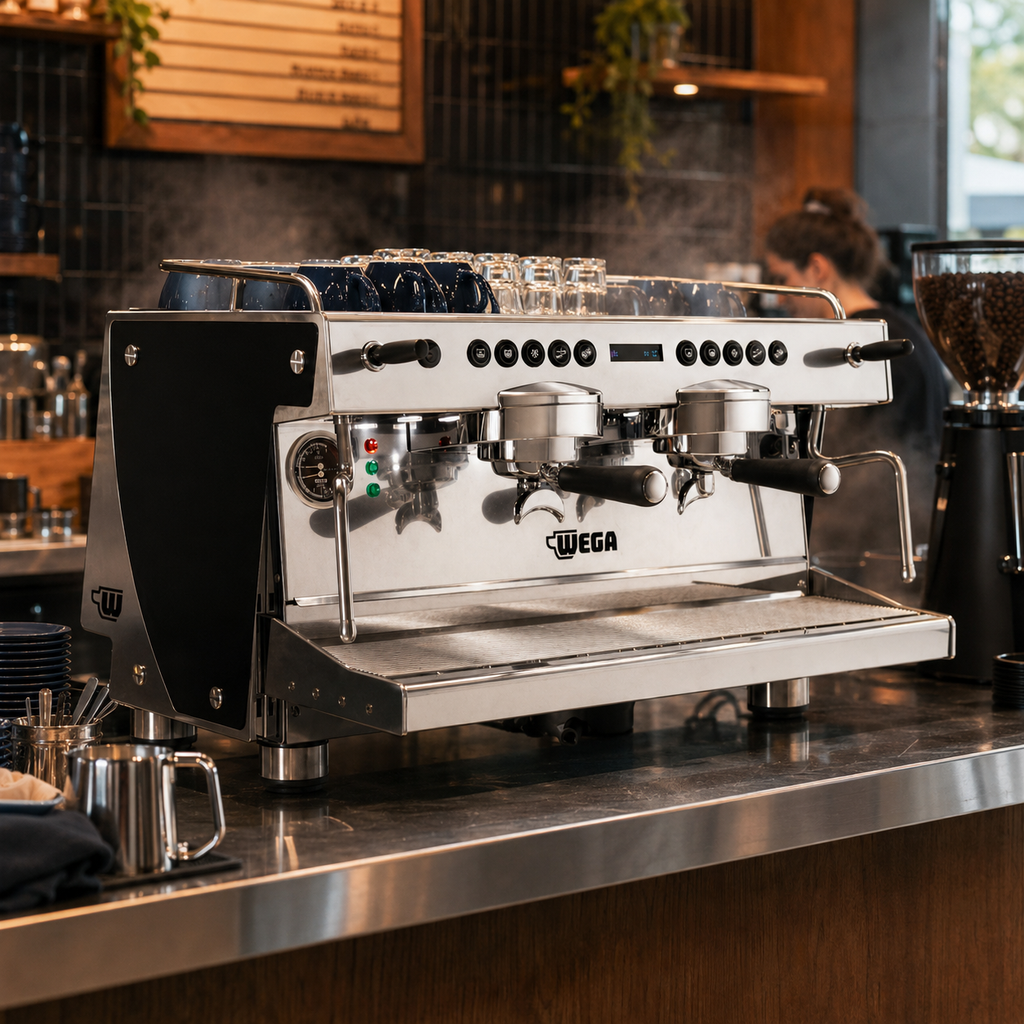
A current ICE Group example is the Wega Rover EVD 2 Group. For a higher-spec alternative, compare products such as the Wega Polaris EVD 2 Group or current Conti 2-group machines.
When does a 3-group coffee machine make sense?
A 3-group machine makes sense when the venue has sustained peak demand and enough barista capacity to use the third group. It is most relevant where multiple staff are working the coffee station and orders arrive in concentrated waves.
Hotels, clubs, large cafés and function venues can benefit when the machine needs to support simultaneous espresso work over sustained peaks. The extra group is less useful if one grinder, one milk station or one barista remains the limiting step.
Examples in the ICE Group range include the Wega Polaris EVD 3 Group, Conti MC Ultima 3 Group and Sanremo Zoe Tall 3 Group.

How many coffees per hour can a 2-group or 3-group machine make?
There is no honest universal cups-per-hour number based only on group count. Throughput depends on extraction time, recipe, grinder speed, dosing workflow, milk-texturing demand, cup size, boiler and steam performance, staff skill and how orders reach the machine.
Measure the venue's peak 15- or 30-minute demand rather than relying on a full-day average. Then map how many baristas can work without colliding and which step currently slows the station down.
Steam capacity can matter more than the third group
In an Australian café selling a high proportion of milk-based drinks, steam demand can become the limiting factor. Compare the machine's intended commercial duty, steam performance and boiler/recovery design alongside group count.
Also consider how milk is stored and replenished. The coffee machine, commercial grinder, underbench refrigeration and rinse/cleaning area work as one production station.
Bench space, power, plumbing and workflow
Before moving from 2 group to 3 group, confirm:
- the installed machine width and working clearance;
- space for one or more grinders;
- milk-jug, knock-box and cup-storage positions;
- water supply, filtration and drainage;
- electrical requirements for the selected model;
- how many baristas can physically work at the station;
- where finished drinks are handed off without blocking production.

A practical ICE Group shortlist
| Need | Start comparing |
|---|---|
| Compact or lower-volume commercial service | 1-group and compact 2-group machines |
| Typical café / restaurant espresso station | 2-group commercial machines |
| Busy multi-barista café | Higher-duty 2-group vs 3-group machines |
| Hotel, club or functions operation | 3-group machines where the peak service and staffing justify them |
Choose the group count from the workflow
Browse the current commercial espresso range, compare professional grinders, or use the Café equipment pathway to plan the full station.
Browse coffee machines → Compare grinders → Plan a café setup →Explore the Commercial Coffee Machine Guides
- 2 Group vs 3 Group Commercial Coffee Machines
- Commercial Espresso Machine Features That Actually Matter
- Installation, Water Filtration, Power & Maintenance
- Wega Rover 2 Group Buyer’s Guide
Frequently asked questions
Is a 3-group coffee machine always faster than a 2-group?
No. A third group increases simultaneous extraction capacity, but real throughput also depends on grinders, baristas, milk workflow, boiler and steam performance, cup handling and order flow.
Is a 2-group machine enough for a busy café?
Often, yes. A well-planned 2-group station can suit busy cafés when the machine, grinder, steam capacity and barista workflow are correctly matched to peak demand.
Should I choose group count from daily coffee sales?
Use peak demand rather than daily totals alone. A venue selling the same number of coffees can have very different requirements if one experiences a concentrated morning rush and another sells steadily all day.
Do I need two grinders with a 3-group machine?
Not automatically, but grinder capacity and menu design should be reviewed alongside the espresso machine. Venues may use multiple grinders for volume, decaf or different coffee offerings.
Reviewed 5 October 2026 · Martin Costanzo · ICE Group Hospitality

Recent Posts
-
-
-
Hoshizaki vs Bromic vs Brema: Comparing Commercial Ice Machines
October 05, 2026
-
-
-
-
Undercounter vs Modular Ice Machines: Which Setup Fits Your Venue?
October 05, 2026
-